Car Organizer Build Quality, Materials, and Durability
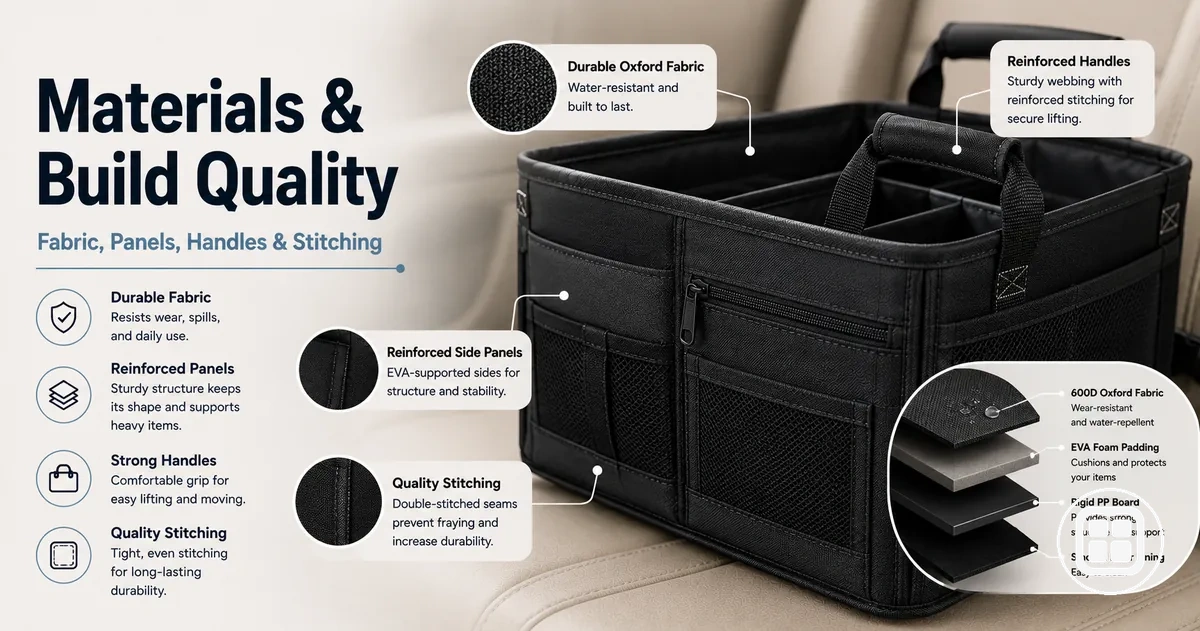
Car organizer build quality refers to the combined effect of materials, construction, reinforcement, and structural design that determines how well a storage organizer performs under real vehicle use. It shapes durability, stability, wear resistance, and everyday reliability rather than just appearance or storage capacity. Build quality is closely tied to how the organizer body responds to movement, load pressure, and repeated handling inside cars, trunks, backseats, and consoles.
Daily use in vehicles creates constant storage pressure through shifting items, vibration, and occasional spills that test the structural quality of a car organizer. In trunk or backseat environments especially, weak construction may lead to sagging, sliding, or surface wear over time. In many cases, features like reinforced panels, stitched joints, and stable base support influence how well the organizer maintains form under these conditions, depending on usage intensity and load.
Materials and construction work together to define how a car organizer behaves in real conditions. Fabric, plastic panels, or hybrid surface materials each contribute differently to flexibility, durability, and cleaning behavior, while reinforcement details such as stitching density, handles, and base stability affect structural performance. These factors determine whether an organizer is better suited for light daily storage, heavy duty use, or water-resistant and washable requirements without turning it into a product-specific judgment.
Understanding build quality also requires separating it from organizer type, fit, or storage layout, since those aspects relate to usage configuration rather than structural strength. This distinction helps evaluate durability more accurately without confusing capacity or placement with construction quality. Back to hub overview provides the broader context for how these evaluation layers connect within the full car organizer system.
Overall, build quality acts as the foundation that connects materials, construction methods, and real-world vehicle conditions into a single performance outcome. It influences how stable, durable, and wear-resistant a car organizer feels during everyday use, and it sets the baseline for how all other attributes perform over time under practical driving environments.
What Build Quality Means for a Car Organizer
Car organizer build quality is the combination of material, stitching, support, and base stability that determines construction strength and storage reliability under real vehicle use conditions. It defines how well the organizer maintains structure and wear resistance during movement inside a car.
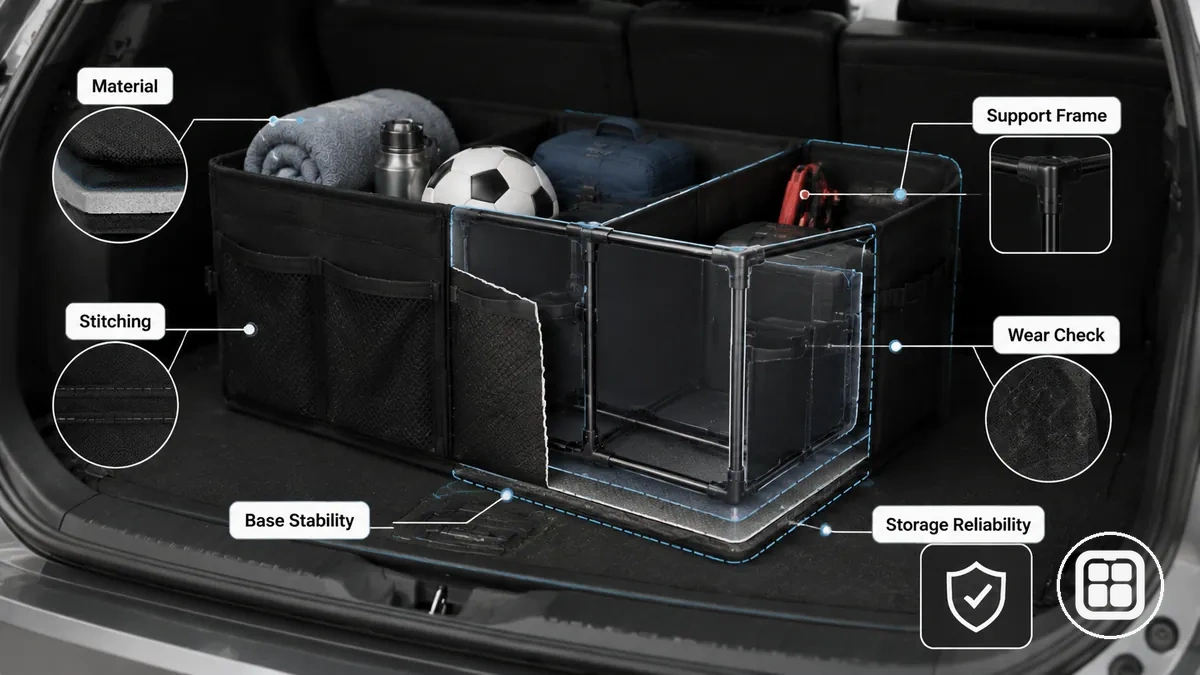
Build quality depends on how each structural element contributes to storage stability. Material choice affects flexibility and surface wear. Stitching controls joint strength under load. Support elements help the organizer keep its shape during shifting movement. Base stability reduces sliding on trunk or backseat surfaces. When these elements are weak, the organizer may show sagging, sliding, or early wear during use.
- Material influences wear resistance and surface durability
- Stitching affects joint strength and long-term structure
- Support elements help maintain shape under load
- Base stability reduces movement during driving conditions
Build quality is not the same as storage capacity, vehicle fit, or organizer type, although these factors may influence how strong the organizer feels in use. It remains focused on construction strength and how that structure performs under real driving conditions rather than layout or size decisions.
Car Organizer Materials and Surface Construction
Car organizer materials and surface construction define how fabric, leather-look, plastic panels, and hybrid construction influence durability, cleaning behavior, flexibility, and wear risk. These material differences directly shape how the organizer body responds to daily use, moisture exposure, and surface friction, making material selection a key factor in long-term storage reliability. :contentReference[oaicite:0]{index=0}
Car Organizer Materials and Surface Construction can be understood through entity–attribute relationships where each material type leads to different structural outcomes. Fabric affects flexibility and breathability, while leather-look surfaces change how wiping and stain handling behave. Plastic panels provide rigidity but may increase cracking risk under stress, and hybrid construction combines multiple layers for balanced performance. Coatings and liners further modify surface texture, influencing how easily dirt is removed and how the organizer responds to repeated use. These differences help separate cleaning behavior and wear risk before comparing material suitability.
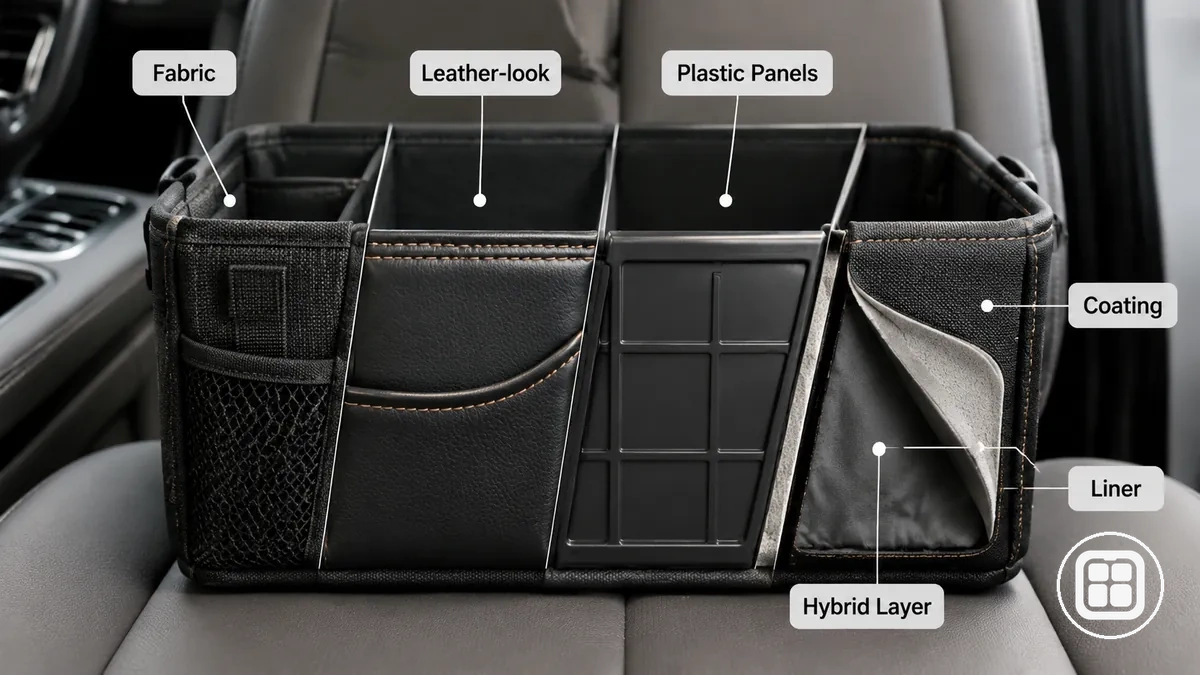
Different material families create trade-offs between flexibility, surface texture, and durability depending on use conditions. A wipe-clean surface may support easier maintenance but reduce softness, while fabric-based structures may improve flexibility but require more attention to wear risk over time. Performance varies based on coating quality, seam exposure, and usage environment.
| Material family | Common attributes | Strengths | Limits | Suitable use conditions |
|---|---|---|---|---|
| Fabric | Soft surface texture, flexible structure | Lightweight, adaptable storage shape | Higher wear risk, harder stain removal | General daily storage with moderate load |
| Leather-look surfaces | Smooth surface texture, coated finish | Easier cleaning behavior, structured look | Can show surface wear over time | Low-maintenance cleaning preference |
| Plastic panels | Rigid structure, firm support | Strong shape retention, easy wipe-clean | Possible cracking under stress | Structured storage with fixed compartments |
| Hybrid construction | Mixed material layers, reinforced seams | Balanced flexibility and durability | Variable wear depending on build quality | Mixed-load daily vehicle use |
| Coated / lined surfaces | Surface coating, internal liner | Improved cleaning behavior, reduced moisture absorption | Coating may degrade with heavy wear | Spill-prone or high-use environments |
Fabric, Leather-Look, Plastic, and Hybrid Bodies
Fabric body, leather-look surface, plastic panel, and hybrid body define how car organizer construction behaves in daily use through foldability, support, abrasion resistance, and surface feel. These body-material groups determine how the organizer responds to storage pressure, wiping, and repeated handling without changing the broader material system context.
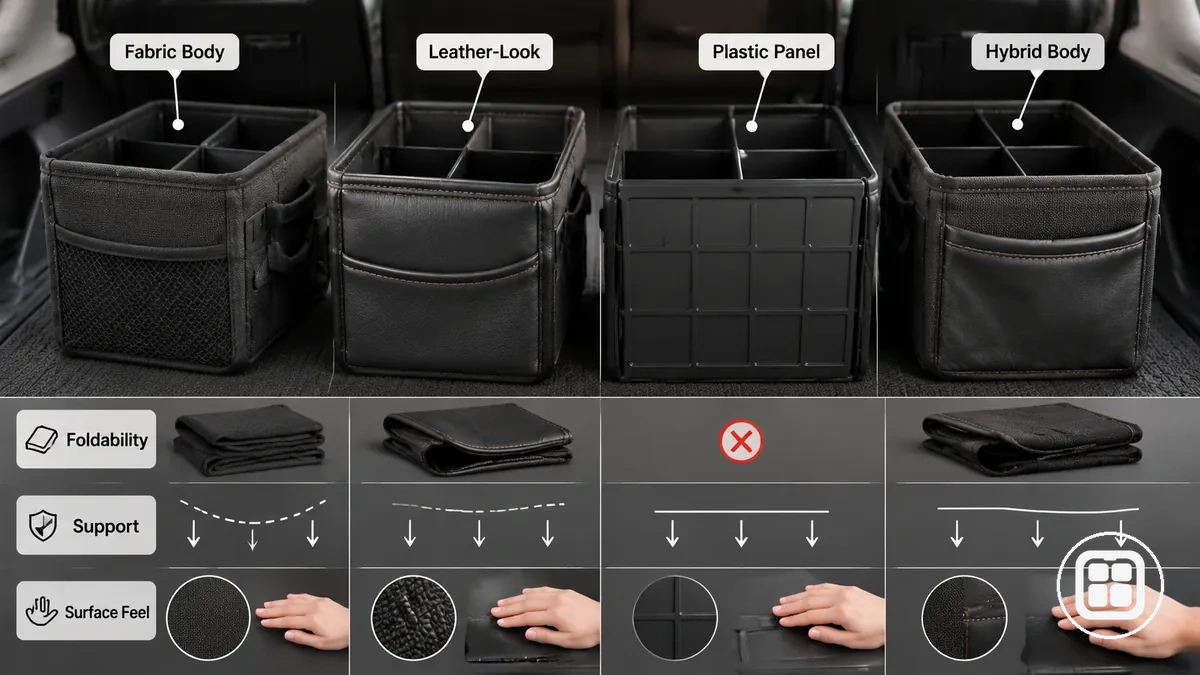
Fabric body typically improves foldability and flexible storage handling, but may show higher abrasion risk under frequent load movement. Leather-look surface provides a smoother wipe-clean finish with more consistent surface feel, though it can show wear patterns over time depending on friction exposure. Plastic panel increases structural support and shape retention, but rigidity may introduce cracking risk under stress conditions. Hybrid body combines reinforced panels with flexible sections, balancing support and foldability across mixed-use conditions.
In practical use, lighter storage setups often rely on fabric body designs for easier folding and repositioning, while structured trunk use cases may depend on plastic panel support for stability. Hybrid body configurations are generally used when both flexibility and load support are required in the same storage environment.
These differences should be interpreted as functional trade-offs, where foldability, support, abrasion resistance, and surface feel shift depending on material construction and usage conditions rather than absolute quality ranking.
- Fabric body — flexible foldability, moderate abrasion resistance, best for light daily storage
- Leather-look surface — smooth surface feel, wipe-clean behavior, may show friction wear over time
- Plastic panel — strong support and rigidity, stable shape retention, possible cracking risk under stress
- Hybrid body — balanced structure with reinforcement, mixed flexibility and support, suited for variable load conditions
Water-Resistant, Washable, and Easy-Clean Surfaces
Water-resistant, washable, and easy-clean describe surface-level properties of car organizer materials that relate to how they respond to spills, wiping, and routine cleaning. These terms do not automatically mean full protection against liquid penetration or permanent stain prevention. Their actual performance depends on construction details such as coating, liner type, and seam exposure. :contentReference[oaicite:0]{index=0}
Surface performance depends on coating type, liner presence, seam exposure, and the cleaning method used. A coated fabric may reduce immediate absorption, while a removable liner can help limit residue buildup in storage zones. Higher seam exposure may allow moisture or debris to collect in joints, which can increase staining risk over time. Drying behavior after cleaning also influences how quickly moisture clears from the surface, which affects spill tolerance and long-term surface condition.
These properties should be interpreted as conditional behaviors rather than fixed guarantees, since repeated exposure and material fatigue may change cleaning performance. Deeper maintenance behavior and long-term care considerations are handled in the maintenance section.
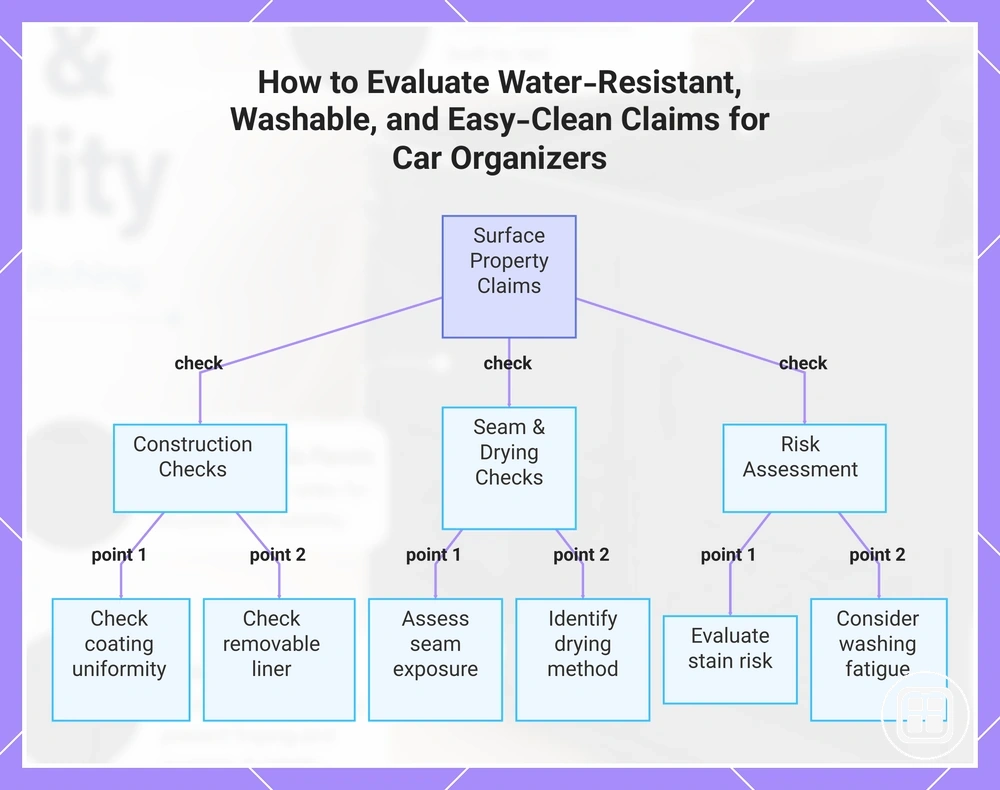
Water-resistant, washable, and easy-clean claims should be checked against real construction features rather than labels alone:
- Coating — check if a surface coating is present and whether it is uniform across high-contact areas
- Removable liner — confirm if the liner can be detached for separate cleaning or replacement
- Seam exposure — assess how visible or open seams may affect moisture and debris collection
- Drying requirements — identify whether the material needs air drying or controlled drying after cleaning
- Stain risk — evaluate how quickly spills may leave marks based on surface texture and coating
- Repeated washing risk — consider whether frequent cleaning may affect coating or fabric fatigue over time
This chart shows that these surface property claims are conditional on construction features and provides key checks to verify performance.
Structural Reinforcement and Durability Signals
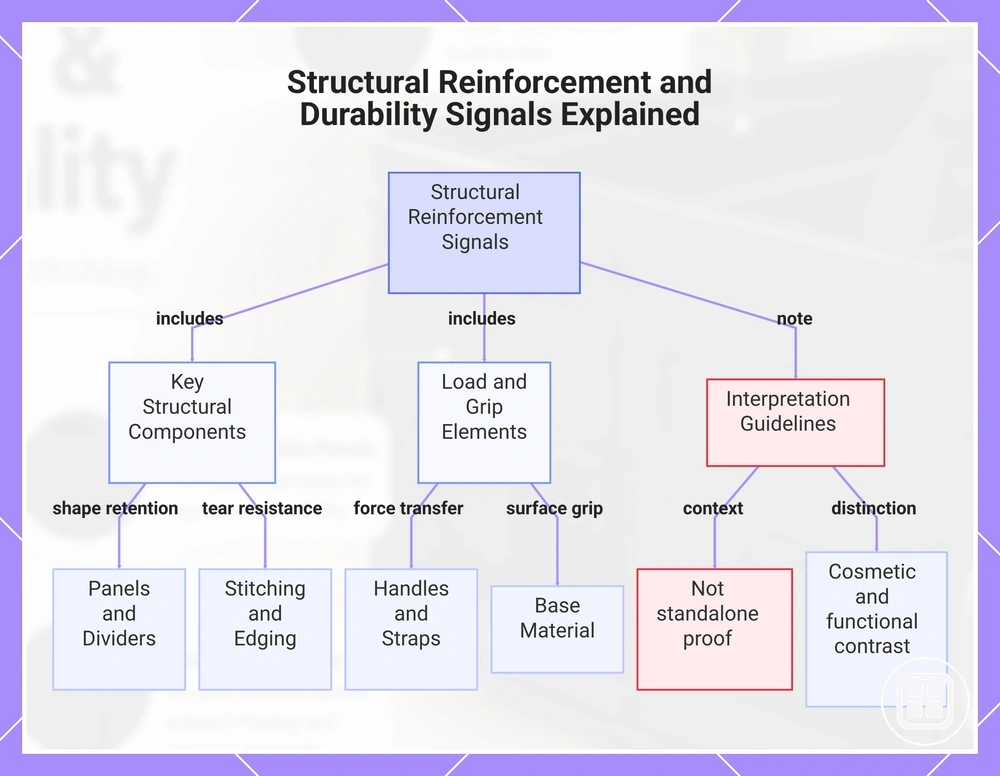
Structural reinforcement and durability signals refer to visible construction cues in a car organizer that suggest how well it may hold shape and resist wear during use. These signals indicate likely durability but do not guarantee long-term performance, since real outcomes depend on load, movement, and material behavior. They should be read as practical indicators rather than fixed strength proof.
Panels, stitching, handles, dividers, base material, strap attachments, and edge binding each contribute to structural reinforcement through different functions. Panels support shape retention by reducing collapse under load. Stitching influences seam strength under repeated strain and movement. Handles and strap attachments distribute pulling force across connection points, while dividers stabilize internal load shifts. The base material affects grip and sliding behavior, and edge binding reduces wear at exposed borders. These combined signals help estimate how the structure may behave under regular use conditions.
A clear distinction exists between cosmetic finish and functional reinforcement. Surface styling may improve appearance without adding structural strength, while functional durability signals are tied to load-bearing parts such as reinforced stitching, rigid panels, and secured attachment points. Evaluating this difference helps separate visual quality from actual shape retention capability under stress.
Before assessing overall durability, these structural reinforcement signals can be reviewed through key visible indicators:
Structural reinforcement and durability signals should be interpreted in context of real movement, load, and wear conditions, not as standalone guarantees.
- Panels — check stiffness and resistance to bending that supports shape retention
- Stitching — observe seam density and alignment linked to tear resistance over repeated use
- Handles — evaluate attachment strength and how load is distributed at stress points
- Strap attachments — inspect anchoring stability under pulling and shifting forces
- Dividers — assess internal stability and resistance to load movement
- Base material — check grip and sliding resistance on flat surfaces
- Edge binding — review perimeter reinforcement for abrasion resistance and wear control
This chart shows the key visible indicators of structural reinforcement in car organizers and how to interpret them.
Stitching, Handles, Dividers, and Reinforced Panels
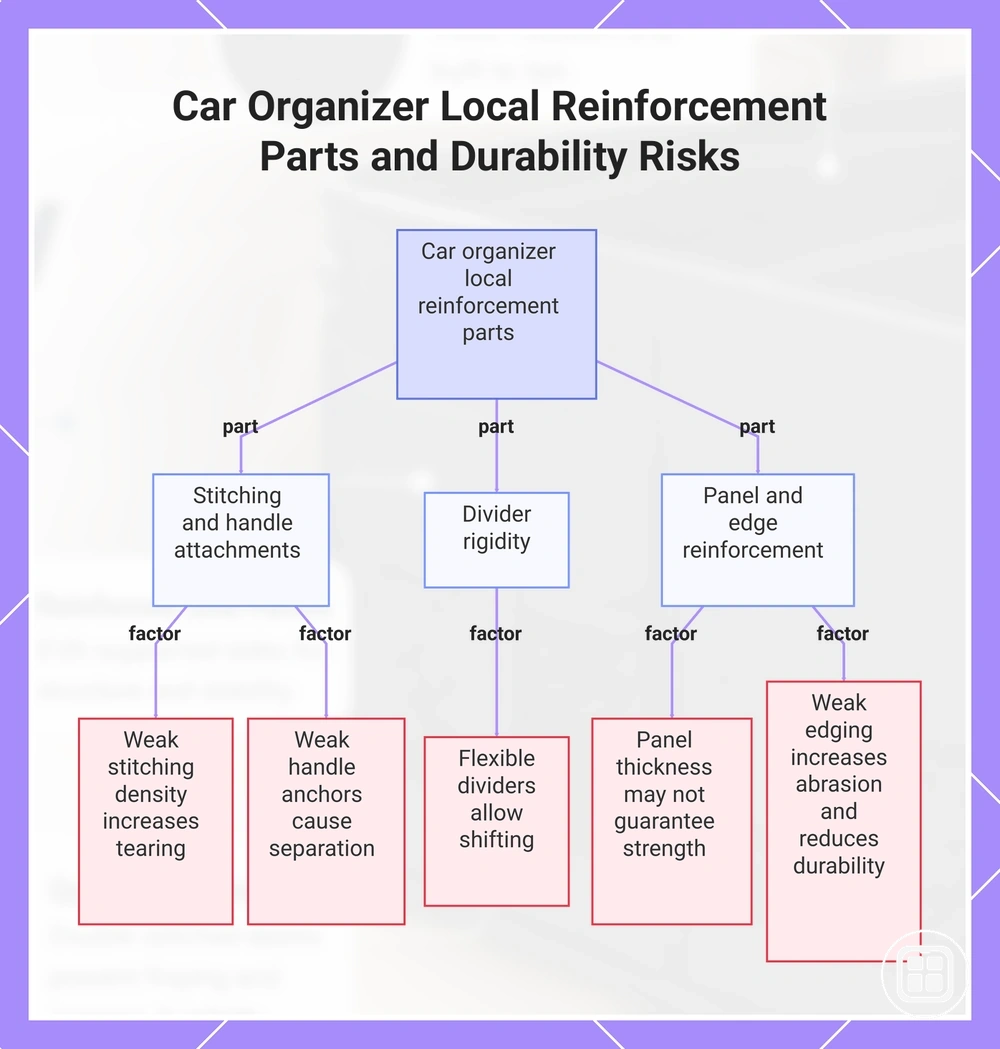
Stitching, handles, dividers, and reinforced panels are local reinforcement parts that define how a car organizer handles load, movement, and repeated use inside the structure. These components work through stitching density, handle attachment strength, divider rigidity, panel thickness, and edge reinforcement to influence tearing, sagging, shifting, and shape retention. Their combined behavior provides practical durability signals for load-handling performance under everyday conditions. :contentReference[oaicite:0]{index=0}
Weak stitching density can increase seam stress and lead to tearing during repeated use, while secure handle attachment reduces strain when lifting or moving load. Divider rigidity affects internal shifting, where flexible dividers may allow load movement and reduce shape retention. Panel thickness and edge reinforcement influence structural stability, but visual thickness alone may not reflect actual reinforcement quality or long-term durability. Each part contributes differently, so performance depends on how these elements work together under repeated load conditions.
- Stitching density — low seam strength can increase tearing under repeated load cycles
- Handle attachment — weak anchors may create strain points leading to separation or failure
- Divider rigidity — flexible dividers can cause shifting and reduce compartment stability
- Panel thickness — may support shape retention but does not guarantee structural strength
- Edge reinforcement — weak edging can increase abrasion and reduce durability at contact zones
This chart shows how local reinforcement parts—stitching, handles, dividers, and reinforced panels—affect car organizer durability under load, with specific failure risks.
Base Stability, Shape Retention, and Load Support
Base stability, shape retention, and load support in a car organizer depend on how the bottom structure and side support work together under weight and movement. A stable base with supported walls helps maintain usable shape and reduces collapse or sagging during normal use, but actual performance still varies based on load and conditions. :contentReference[oaicite:0]{index=0} :contentReference[oaicite:1]{index=1}
Base grip, bottom stiffness, wall support, load spread, and fold behavior determine how the organizer reacts to sliding, shifting, and structural distortion. Weak base grip can increase sliding on smooth vehicle surfaces, while low bottom stiffness may lead to collapse under uneven load distribution. Reduced wall support can affect shape retention, causing compartment distortion when items move during transport. These effects are conditional and depend on item weight, placement, and how the organizer is secured, rather than installation adjustments alone.
Soft, semi-rigid, and reinforced base structures influence stability outcomes in different ways:
- Soft base — higher fold behavior flexibility but increased risk of sliding and collapse under load
- Semi-rigid base — balanced load spread with moderate shape retention depending on weight distribution
- Reinforced base — stronger bottom stiffness and improved shape retention, though still dependent on load conditions
Uneven or heavy item placement can increase stress on one side of the base, leading to localized sagging or shifting even when overall structure support is present.
Build Quality Needs by Organizer Placement
Build quality needs change with organizer placement because each vehicle area creates different stress patterns, contact conditions, and movement exposure. Organizer placement in the trunk, backseat, front seat, console, or seat-gap affects reinforcement and stability needs, so durability requirements vary by location rather than being uniform across all use cases.
Placement-to-stress relationships determine how base stability, surface contact, and access frequency influence durability outcomes. The trunk often introduces load pressure and shifting cargo, while the backseat adds hanging strain and movement from passengers. Front seat and console areas increase access frequency and surface friction, and seat-gap areas create narrow pressure zones with reduced load spread. These differences shape reinforcement and stability needs without changing the core build-quality focus.
Heavy cargo, children’s items, or frequently accessed small objects can intensify localized stress patterns in specific vehicle areas. These scenarios highlight how stability and shape retention respond differently depending on organizer placement, but they remain within the scope of build-quality implications rather than placement guidance.
Build quality needs by organizer placement change because each location creates different stress patterns and contact conditions.
| Placement area | Main stress type | Build-quality need | Likely weak point |
|---|---|---|---|
| Trunk | Load pressure and shifting cargo | Strong base stability and load spread support | Bottom collapse or sagging under uneven load |
| Backseat | Hanging strain and movement | Reinforced stitching and structural support | Strap or seam stress failure |
| Front seat | High access frequency and surface wear | Balanced shape retention and durable contact surface | Surface abrasion and shifting |
| Console | Compression and friction | Compact reinforcement and stable form retention | Edge wear and compression distortion |
| Seat-gap | Narrow pressure and constrained fit | High shape retention and rigid edge support | Deformation or instability in tight space |
Trunk, Backseat, Front Seat, and Console Stress Points
Trunk load pressure, backseat hanging strain, front-seat access movement, and console friction define how different vehicle areas stress a car organizer in distinct ways. Each area loads different structural parts: trunk conditions affect bases and panels, backseat conditions stress straps and seams, front-seat use increases movement across surfaces, and console contact creates compression pressure on edges. These stress categories determine how reinforcement needs shift across placement conditions. :contentReference[oaicite:0]{index=0}
These stress points directly influence which seams, bases, panels, and straps require stronger build support depending on organizer placement. Trunk environments increase sustained load on the bottom structure, while backseat use introduces repeated pulling strain on attachment points. Front-seat and console areas increase contact friction and movement frequency, which can accelerate surface wear depending on use intensity and item weight.
Trunk, backseat, front seat, console, and seat-gap conditions create distinct stress zones for build-quality evaluation:
- Trunk — trunk load pressure affects bases and panels, which may lead to sagging or structural collapse under uneven cargo distribution
- Backseat — backseat hanging strain impacts straps and seams, which can cause stitching fatigue at attachment points
- Front seat — front-seat access movement increases shifting and surface wear, affecting panels and outer contact areas
- Console — console friction creates edge pressure and compression stress, which may lead to abrasion or deformation
- Seat-gap — seat-gap compression applies narrow force on structure and edges, which can result in distortion or instability in tight-fit conditions
How to Evaluate a Heavy Duty Car Organizer
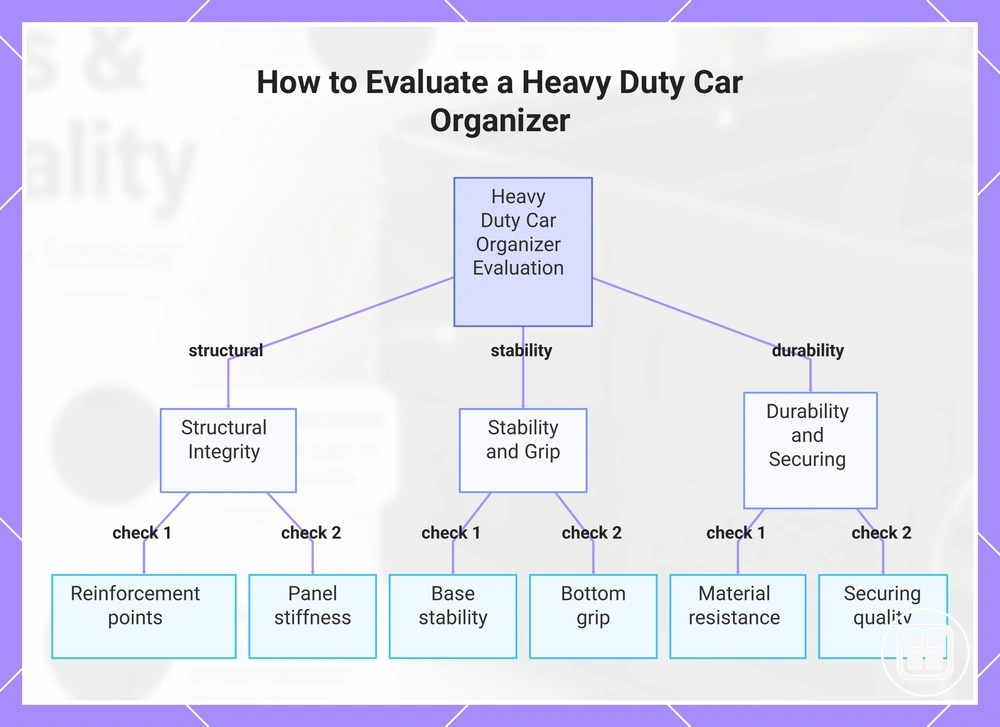
A heavy duty car organizer is evaluated by checking reinforcement, base stability, material resistance, load support, and securing quality together rather than relying on a single feature. These elements define how the structure performs under weight, movement, and repeated use inside a vehicle. Strong evaluation depends on how these factors work as a combined system, forming the core criteria for assessing a heavy duty car organizer.
Evaluation of a heavy duty car organizer follows an attribute-based logic where reinforcement, bottom grip, panel stiffness, handle strength, strap quality, and material resistance indicate overall performance. Reinforcement reflects structural strength under load support conditions. Bottom grip and base stability show how well the organizer resists sliding on vehicle surfaces. Panel stiffness relates to shape retention under uneven load, while handle strength and strap quality determine securing quality during movement. Material resistance influences durability, abrasion response, and longer lifespan outcomes such as stable use and reduced collapse risk. These criteria prepare the evaluation checklist.
Differences in reinforcement level and material resistance create practical trade-offs in heavy duty use. Stronger panel stiffness and reinforcement often improve load support and stability but may reduce flexibility in compact storage situations. Lighter materials can improve handling and access but may reduce shape retention under sustained weight. Bottom grip and securing quality also vary depending on surface type and usage frequency, affecting overall stability outcomes. These trade-offs should be reviewed before applying the checklist to real use conditions.
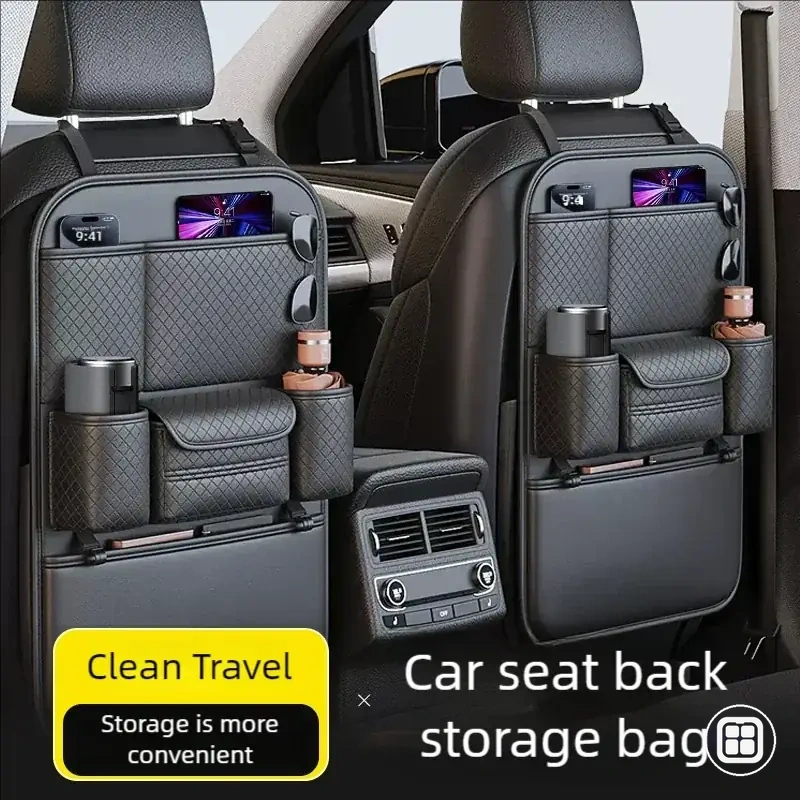
Here are product examples that may make comparison easier. Before buying, always review the compatibility criteria, essential features, and product details.
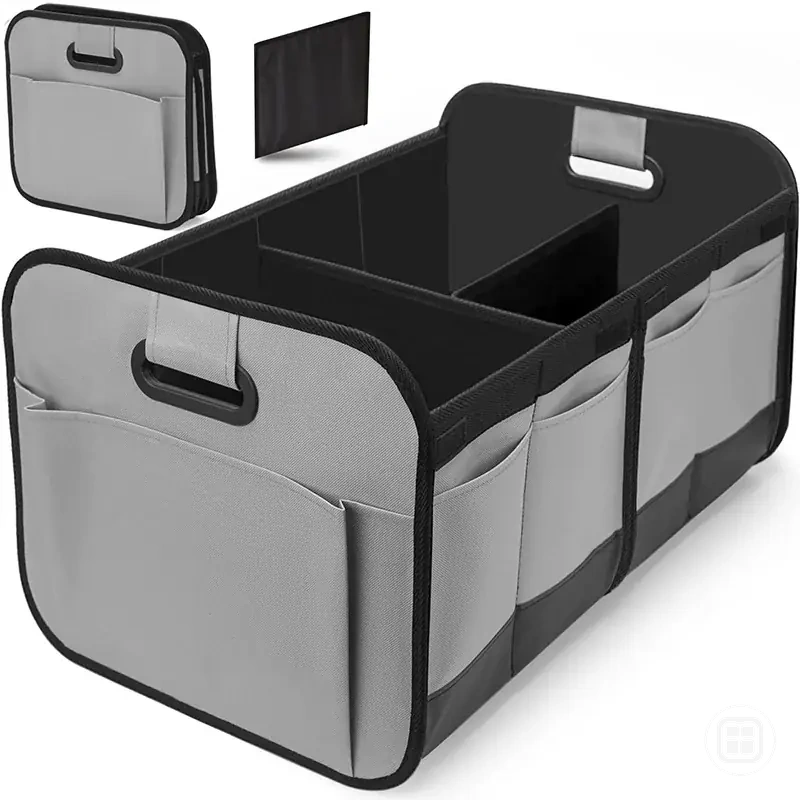
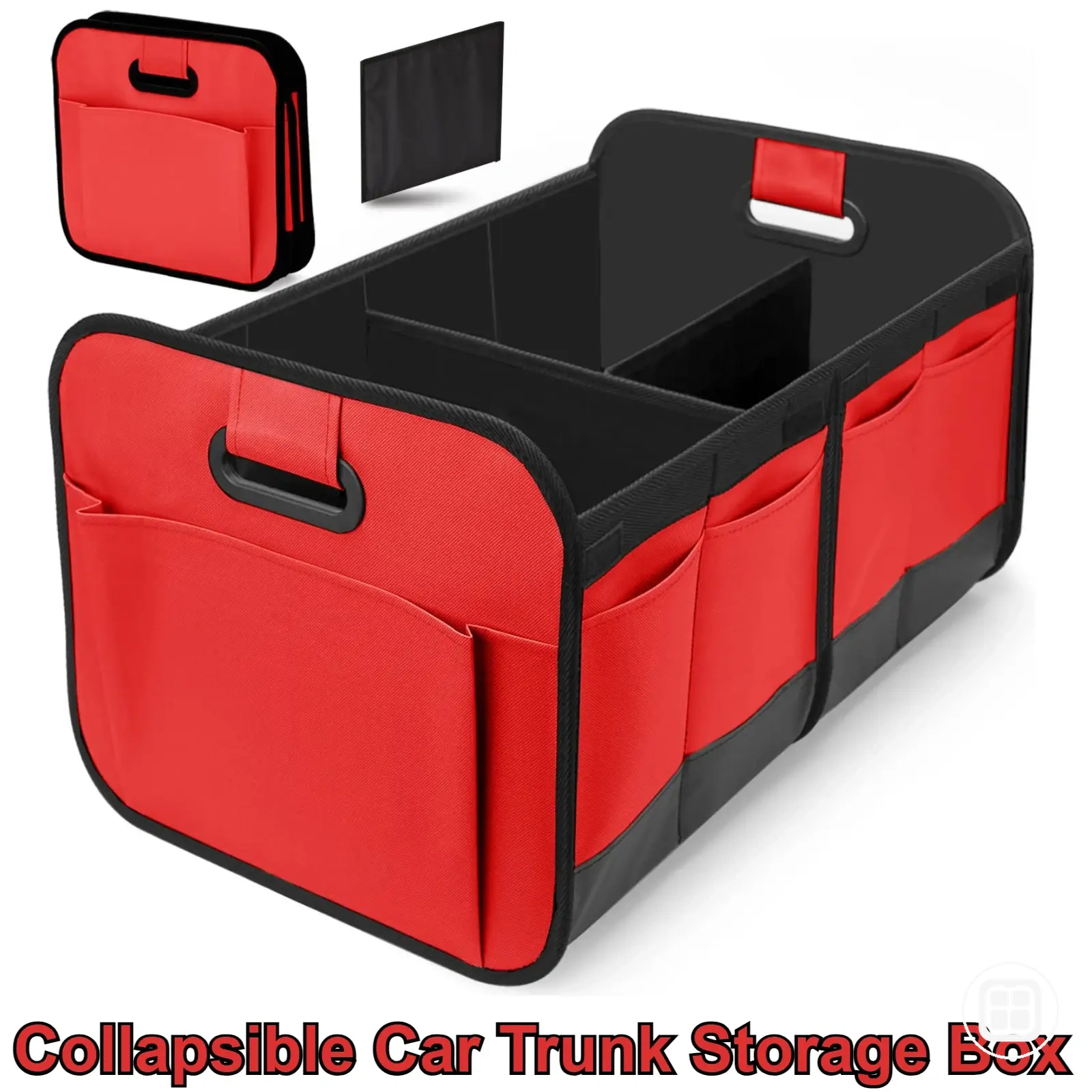
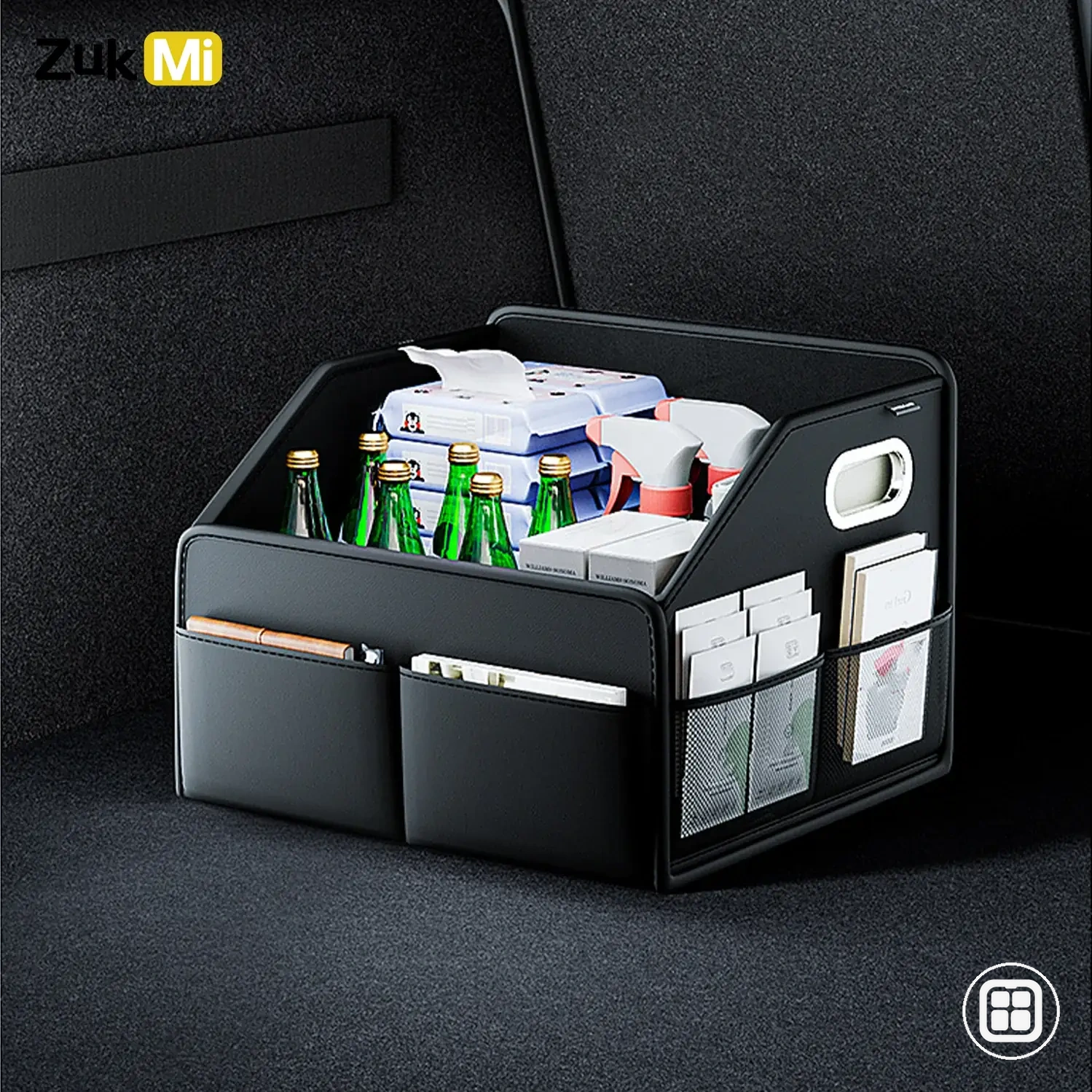
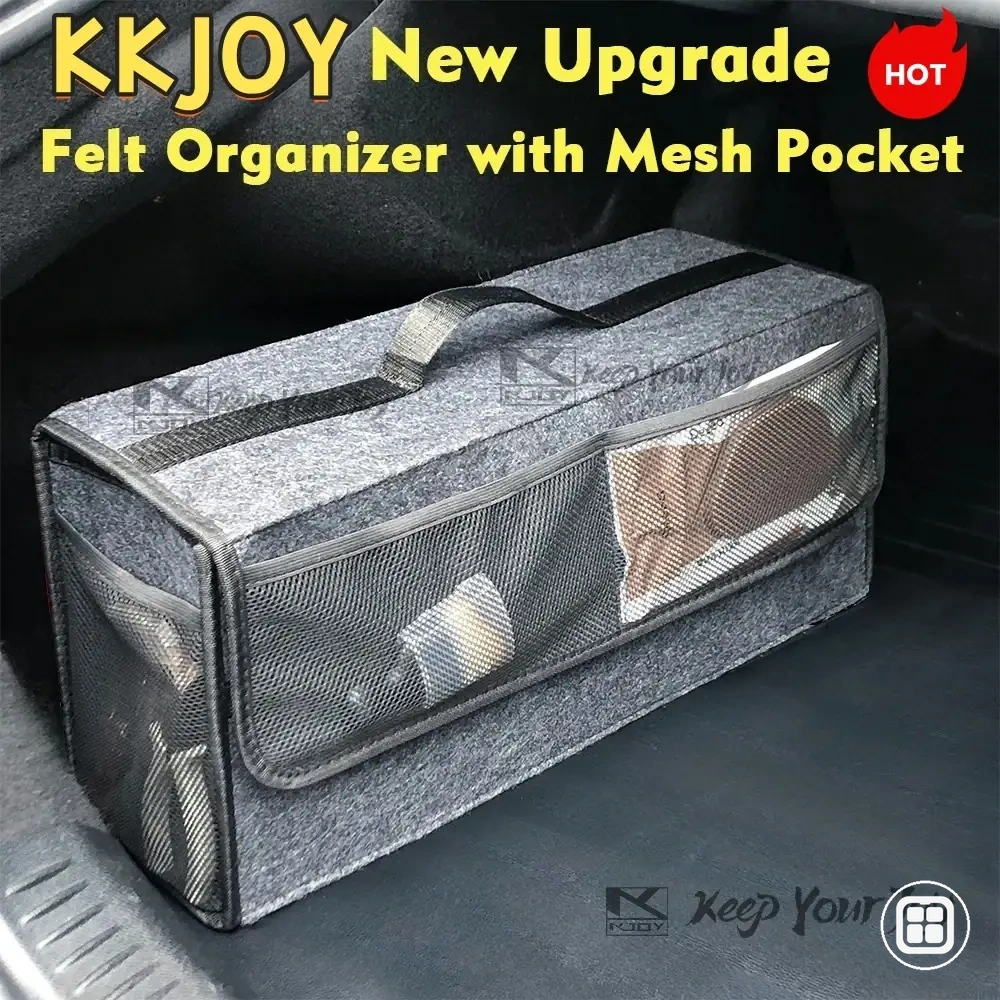
A heavy duty car organizer should be evaluated using the following criteria to understand structural reliability under real use conditions.
- Reinforcement — assess structural support points and their effect on stable use under load
- Base stability — check bottom structure for sliding risk and load support consistency
- Material resistance — evaluate abrasion response and durability under repeated use
- Load support — observe weight distribution behavior and reduced collapse risk
- Securing quality — check strap quality and attachment stability during movement
- Bottom grip — evaluate surface contact friction for stability on vehicle flooring
- Panel stiffness — assess shape retention under uneven or shifting cargo
- Handle strength — review durability at lifting points under repeated stress
This chart groups the key evaluation criteria for a heavy duty car organizer into three main categories: structural integrity, stability and grip, and durability and securing.
Anti-Slip Bases, Straps, and Securing Features
Anti-slip base, straps, and securing features support stability in a heavy-duty car organizer by reducing sliding risk through base texture, grip material, and controlled attachment points, but they cannot replace correct fit, proper load support, or suitable placement. Their effectiveness depends on how well these elements match vehicle surface conditions and usage load. In many cases, securing performance changes based on movement intensity and distribution rather than the feature alone, so they should be treated as supporting build-quality signals rather than guarantees. :contentReference[oaicite:0]{index=0}
Anti-slip base performance is shaped by base texture and grip material, which influence how consistently the organizer resists movement on different vehicle surfaces. Straps and buckles contribute securing features by managing adjustability and stabilizing load through attachment points under repeated motion. Surface match also affects how well friction holds under vibration, while weaker alignment can increase sliding risk and stress at anchor points. Over time, securing quality is closely tied to wear behavior, where poor grip or overstressed attachments may increase movement and reduce stability under heavy use.
These securing elements should be evaluated as build-quality indicators rather than installation solutions.
Anti-slip bases, straps, and securing features should be reviewed as part of overall build-quality assessment:
- Anti-slip base — evaluates base texture and grip material for sliding risk reduction and surface stability
- Straps — checks adjustability and tension control for maintaining load stability during movement
- Buckles — assesses securing features for anchor reliability under repeated vibration and load shifts
- Attachment points — evaluates anchor quality for wear resistance at repeated tension zones
- Grip material — measures surface match effectiveness for consistent friction and reduced sliding risk
Common Build Quality Problems in Car Organizers
Common build quality problems in car organizers are typically identified through visible symptoms such as loose seams, sagging sides, collapsing panels, slippery bases, weak handles, and worn surfaces. These issues often indicate structural weakness in the build quality rather than normal usage effects alone. :contentReference[oaicite:0]{index=0}
Loose seams usually point to stitching or construction cause, while sagging sides are often linked to weak panel support or uneven load distribution. Collapsing panels can suggest low base stability or insufficient load support, and slippery bases may reflect poor grip material or weak surface match with the vehicle flooring. Weak handles often relate to stressed attachment points, and worn surfaces can indicate reduced material resistance under repeated use. These symptoms help form a diagnostic view of potential failure risk and replacement consideration.
However, these visible conditions can vary depending on overload, placement inside the vehicle, cleaning history, and storage patterns. A single symptom does not always confirm structural failure, as multiple external factors can influence performance. Repair interpretation and fit troubleshooting are not covered in this section to keep the focus on build-quality diagnosis only.
Common build quality problems in car organizers can be interpreted using symptom-based diagnosis:
| Symptom | Likely attribute issue | Check | What it means |
|---|---|---|---|
| Loose seams | Stitching weakness or construction cause | Inspect seam alignment and thread tension | Possible structural weakening and tearing risk |
| Sagging sides | Low panel support or overload condition | Check side wall rigidity under load | Reduced shape retention and stability |
| Collapsing panels | Weak base stability or poor load support | Test panel resistance under weight | Higher failure risk under uneven loading |
| Slippery bases | Poor grip material or surface match | Check movement on vehicle surface | Increased sliding risk during motion |
| Weak handles | Strap or attachment point weakness | Inspect handle anchoring strength | Higher risk of detachment under strain |
| Worn surfaces | Reduced material resistance | Check abrasion marks and texture loss | Indicates long-term wear and replacement consideration |
Sliding, Collapsing, Sagging, and Loose Stitching
Sliding, collapsing, sagging, loose stitching, handle strain, and divider deformation are visible failure symptoms that can indicate different build-quality weaknesses depending on load and placement conditions. These symptoms often relate to base grip, wall support, seam strength, or load distribution, but may also appear due to overload or usage patterns rather than a single construction issue. :contentReference[oaicite:0]{index=0}
Sliding is commonly associated with reduced base grip or surface mismatch, while collapsing often points to weakened wall support or uneven load distribution. Sagging can reflect reduced shape retention under pressure, and loose stitching typically signals weakened seam strength under repeated use. Handle strain and divider deformation may appear when attachment points or internal structure are stressed beyond their intended load distribution limits.
Because these symptoms can overlap across different conditions, interpretation should remain conditional rather than absolute. The same visible issue may come from construction weakness, placement, or excessive load, so no single cause can be assumed from appearance alone.
Sliding, collapsing, sagging, and loose stitching can be interpreted through localized build-quality signals:
- Sliding — may indicate weak base grip or poor surface contact, suggesting increased movement risk during use
- Collapsing — may indicate insufficient wall support or poor load distribution, suggesting structural instability under weight
- Sagging — may indicate reduced shape retention or uneven load distribution, suggesting gradual loss of structural firmness
- Loose stitching — may indicate weak seam strength or repeated stress, suggesting higher risk of seam separation
- Handle strain — may indicate stressed attachment points, suggesting limited durability under lifting load
- Divider deformation — may indicate weak internal support, suggesting reduced compartment stability under shifting load
Cleaning and Care Factors That Affect Material Longevity
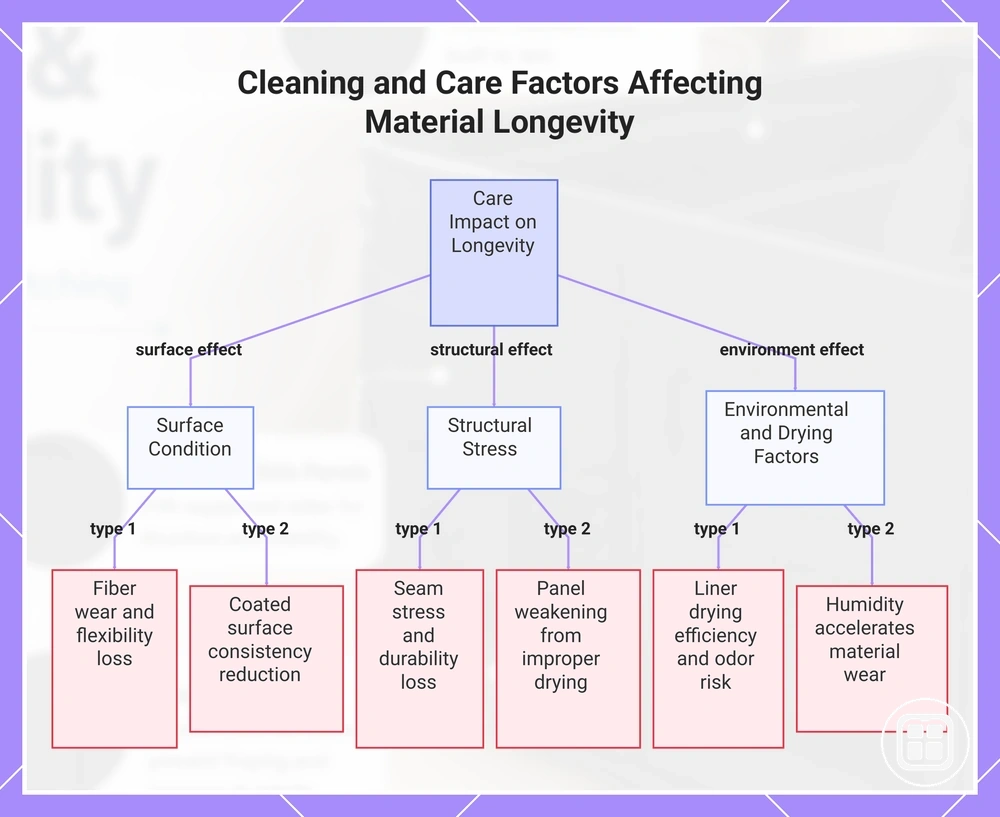
Cleaning and care behavior affect material longevity in car organizers, but they cannot compensate for weak construction quality. Over time, fabric, coated surfaces, liners, seams, panels, and straps respond differently to routine cleaning depending on usage intensity and environmental conditions. Material longevity is therefore shaped by both care behavior and inherent build quality. :contentReference[oaicite:0]{index=0}
Cleaning interacts directly with surface condition and structural stress points. Regular stain removal can reduce residue on coated surfaces, but may also increase seam stress if applied too aggressively. Fabric areas may absorb moisture differently than liners, which affects drying time and long-term odor risk. Panels and straps can gradually weaken when exposed to repeated handling during cleaning, while storage conditions such as humidity influence shape retention and overall durability performance. These relationships guide how care behavior translates into material wear over time.
Moisture retention, abrasive cleaning, and repeated washing cycles can gradually alter material performance, especially when drying is inconsistent. However, these effects vary depending on fabric type, coating strength, seam integrity, and storage environment. Full cleaning procedures are outside the scope of this section to keep focus on longevity impact rather than step-by-step maintenance.
Cleaning and care factors influence material longevity through changes in surface condition, seam stress, drying behavior, and storage stability:
- Fabric — repeated cleaning may increase fiber wear and reduce long-term flexibility
- Coated surfaces — abrasive care behavior may reduce surface consistency over time
- Liners — moisture exposure during cleaning may affect drying efficiency and odor control
- Seams — repeated washing can increase stress at stitching points and reduce durability
- Panels — improper drying may weaken structure and reduce shape retention
- Straps — friction during cleaning can reduce attachment strength over time
- Storage conditions — humidity and poor ventilation may accelerate material wear
This chart shows the main channels through which cleaning and care behaviors influence material longevity in car organizers.