
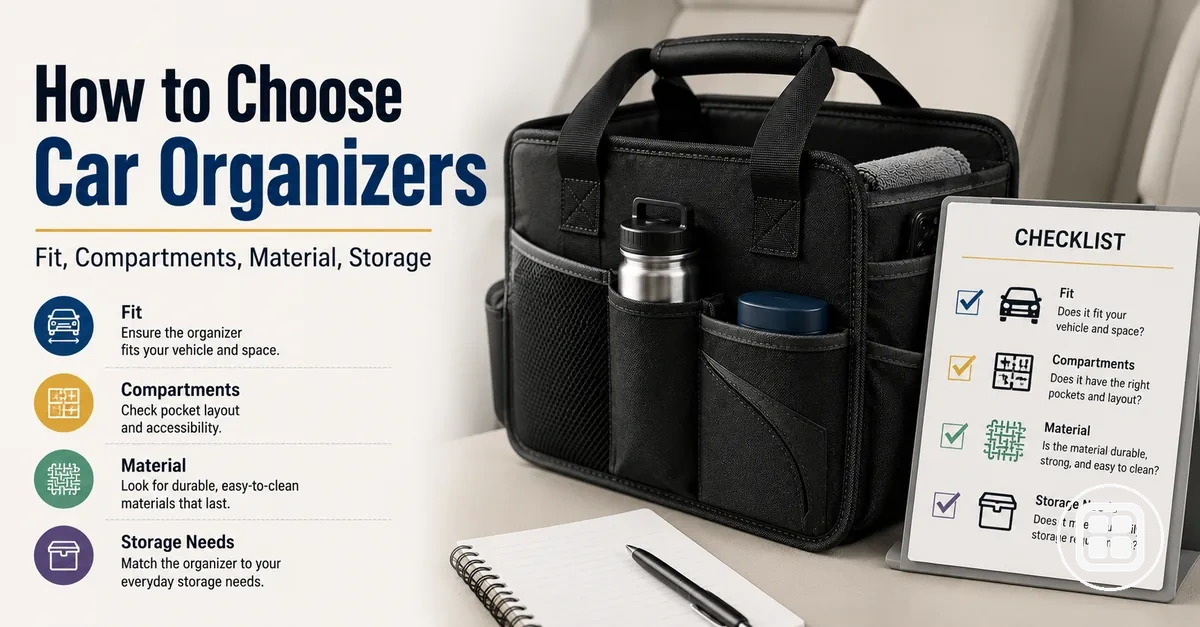
Car Organizer Selection Checklist
Car organizer selection checklist depends on placement inside the vehicle, item type, available space, securing method, and durability requirements. A suitable car organizer is determined by how well it matches these conditions rather than a fixed universal configuration.
The primary decision factor is where the organizer will be used, such as trunk, backseat, or front cabin areas. Each placement zone affects stability needs, access convenience, and usable capacity, which directly influences the appropriate organizer type.
Item type and usage pattern also shape selection. Lightweight daily essentials may require simple compartment layouts, while heavier or mixed cargo often benefits from reinforced structure and clearer separation between storage sections to maintain order during movement.
Key selection criteria include:
- Placement compatibility with trunk, seatback, or console space
- Storage needs based on item size, weight, and frequency of access
- Compartment layout suited for separation or grouped storage
- Stability features such as straps, non-slip bases, or fastening points
- Material durability aligned with load handling and usage intensity
- Available vehicle space and folding or adjustable design requirements
Material quality and structural strength influence long-term usability, especially under repeated loading or frequent repositioning. In many cases, reinforced stitching and stable base design help maintain shape and reduce shifting during driving conditions.
Storage Needs Before Choosing a Car Organizer
Storage needs are the first filter for choosing a car organizer because the type, size, and structure of the organizer must match what is being stored inside the vehicle. Car organizer suitability depends on item behavior such as weight, access frequency, spill risk, and how storage is distributed across trunk, backseat, or cabin areas.
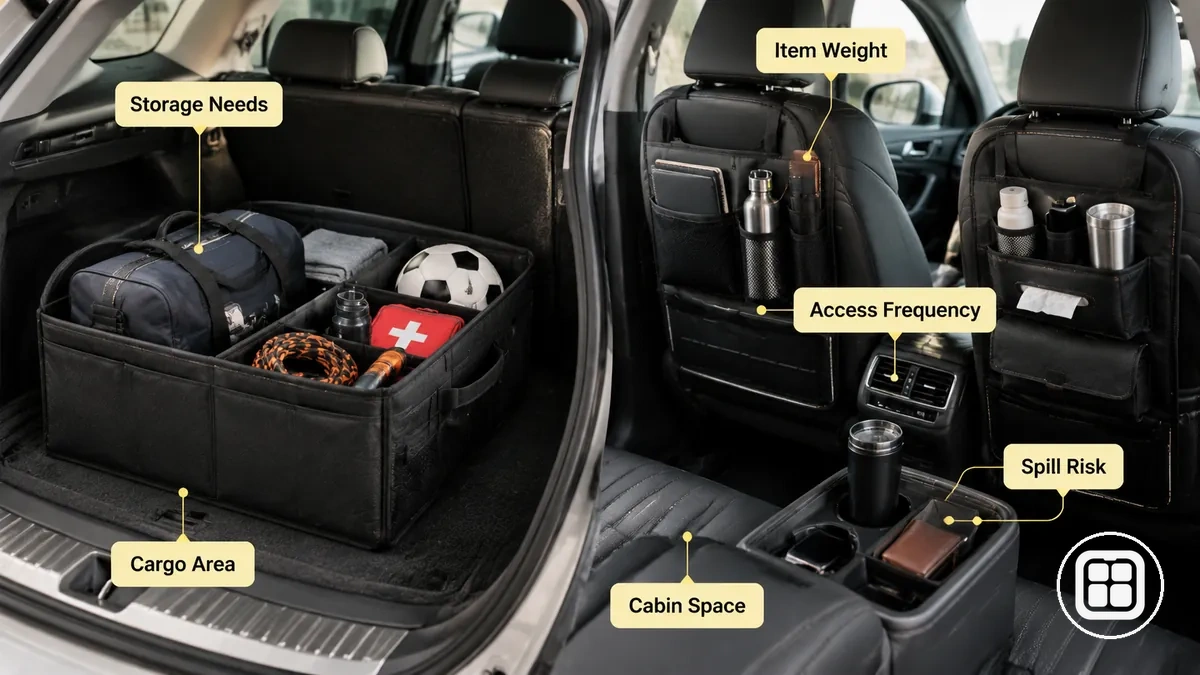
Items that are accessed frequently usually require open or easily reachable compartments, while low-frequency storage can use deeper or closed sections. Heavier cargo typically needs reinforced support and stable placement, whereas lightweight essentials may rely more on flexible layouts.
Spill-prone or mixed items often require separation zones to reduce movement during driving conditions. Passenger use and cargo area usage also influence whether storage should prioritize accessibility, containment, or a balance of both depending on available vehicle space.
Daily Clutter, Groceries, Travel, and Family Items
Recurring item groups influence car organizer capacity, compartment layout, and access pattern because different items create different storage requirements. Daily clutter often benefits from quick-access compartments, groceries may need containment-focused sections, travel items can require larger grouped storage areas, and family items may need separated compartments for mixed usage.
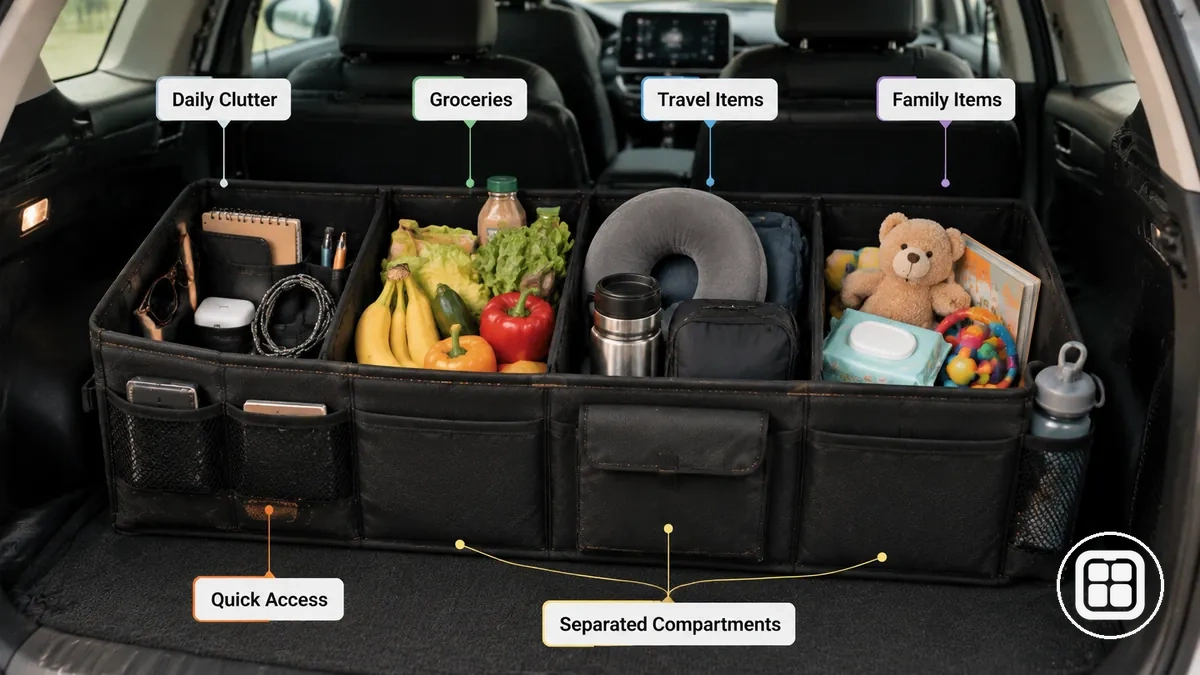
Small frequently used items such as personal accessories, tissues, bottles, or charging cables typically fit better in visible and easily reachable compartments. Larger or irregularly shaped items often require wider storage sections that allow flexible arrangement.
Mixed usage scenarios can increase the need for compartment separation when groceries, travel supplies, and family items share the same organizer. In these cases, car organizer layout suitability depends on balancing grouped storage with convenient access for the items used most often.
Access Needs for Driver, Passengers, and Cargo Areas
Access zones determine car organizer placement suitability because storage location should match where the items are needed inside the vehicle. Driver, passenger, and cargo access areas each support different placement priorities based on reach and usage patterns.
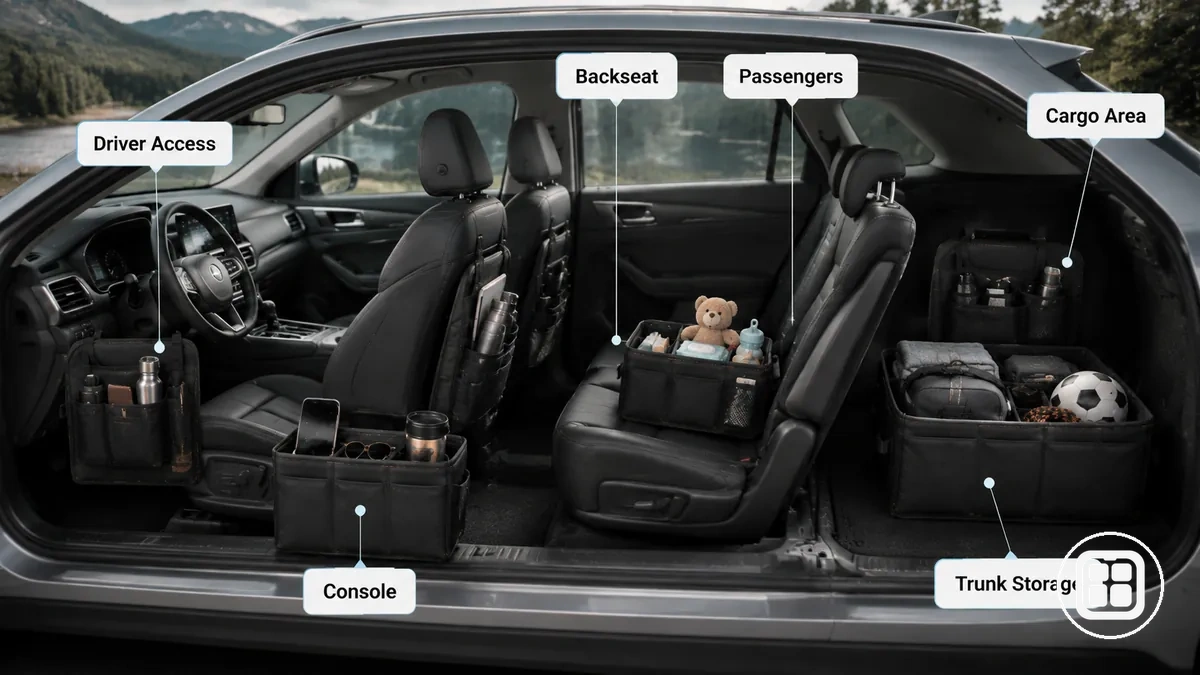
Front-seat and console locations are generally suited to items that require frequent access, while backseat organizers are often more suitable for passenger-related storage. Placement suitability depends on keeping items accessible to the intended user without unnecessary reach.
Trunk areas are typically used for cargo storage rather than immediate access. When items are mainly needed at destinations or during loading and unloading, trunk-based organizers can provide structured storage while preserving access within passenger areas. Placement choices may also need to consider whether an organizer could obstruct nearby storage spaces or vehicle controls.
Organizer Type and Vehicle Placement Fit
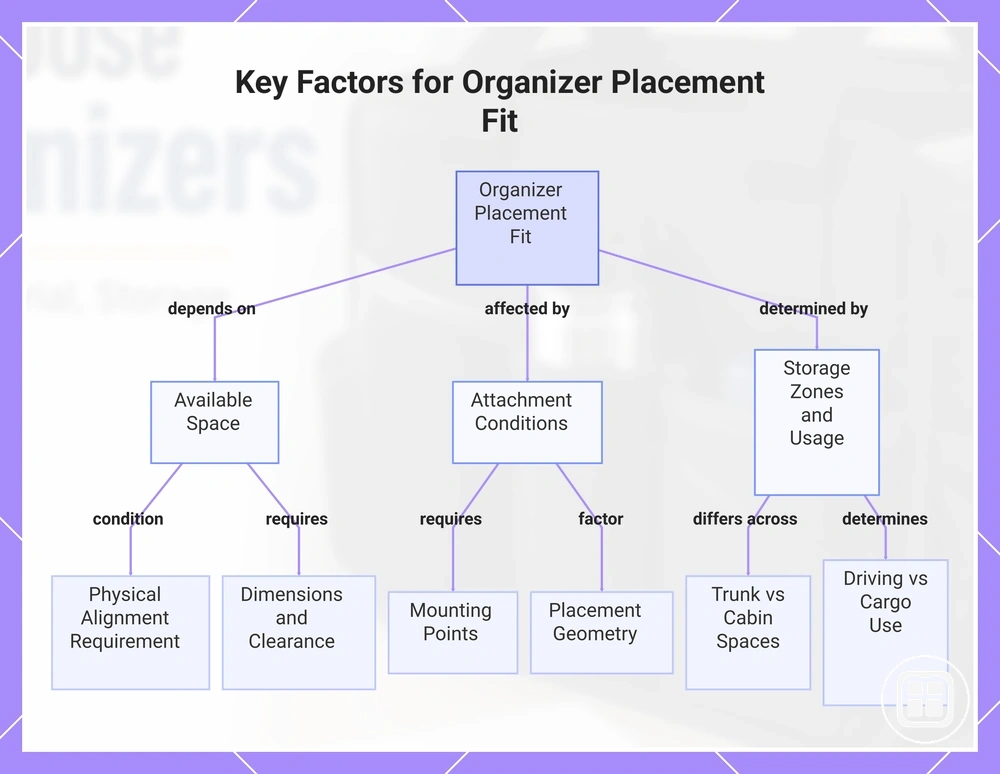
Organizer type and vehicle placement fit depend on available space, attachment conditions, and the intended storage location. Compatibility is strongest when the organizer's structure aligns with the physical constraints of the placement area rather than relying on a universal fit assumption.
Placement constraints differ across trunk, seatback, console, and cabin storage zones. An organizer that suits a larger cargo area may not suit a compact passenger space, while smaller organizers may fit locations where larger storage systems could limit access or available room.
Attachment conditions also affect compatibility because organizer stability often depends on mounting points, surrounding surfaces, and placement geometry. For users evaluating placement options, Check types for selection when comparing how organizer designs align with different vehicle storage areas.
Vehicle placement fit usually depends on the relationship between organizer dimensions, attachment method, and available clearance. Compatibility can vary by vehicle layout and how the storage area is used during everyday driving or cargo organization.
This chart explains the main factors that determine how well an organizer fits in a vehicle: available space, attachment conditions, and storage zones and usage.
Trunk Backseat Front Seat and Console Placement
Placement zones differ in suitability because capacity, reach, and stability often require tradeoffs. Trunk placement generally provides greater storage capacity, while front seat, console, and backseat locations may offer easier access depending on where stored items are needed.
Trunk placement is commonly used when storage volume is the primary concern, but access may depend on opening the cargo area. Front seat and console placement typically prioritize reach, making them more suitable for items that need frequent access within available cabin space.
Backseat placement can provide a balance between storage capacity and accessibility for passengers, while stability may depend on seat layout and organizer attachment. Placement suitability varies according to storage priorities, available space, and the desired balance between access convenience and cargo capacity.
Vehicle Space Measurements and Attachment Points
Vehicle space measurements and attachment points should be verified before selection because organizer compatibility depends on available dimensions and securing locations. Measuring the intended storage area is the primary step for determining whether an organizer may fit within the available space.
Vehicle space should be checked for usable width, depth, clearance, and nearby obstructions before comparing organizer dimensions. When evaluating measured space and securing options, Fit guidance for selection can help clarify how available dimensions relate to organizer suitability.
Attachment points are equally important because organizer stability may depend on straps, anchors, seat structures, or other securing locations. Compatibility can vary when attachment conditions do not align with the organizer design, even if overall dimensions appear suitable.
Measured compatibility serves as a selection filter by narrowing options based on actual vehicle space and available securing points. Fit outcomes depend on both physical dimensions and attachment conditions rather than measurements alone.
Stability and Secure Placement Checks
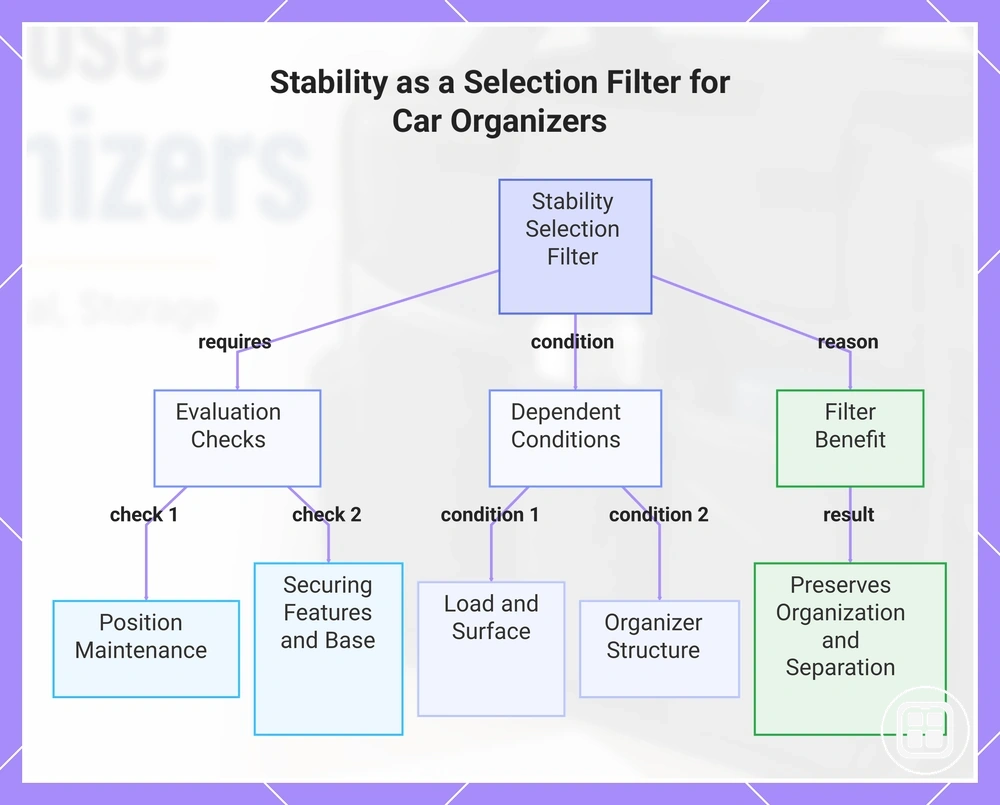
Stability is a primary selection factor because a car organizer that remains secure may help reduce sliding, tipping, and item movement during normal vehicle use. Stability depends on organizer design, load characteristics, and the surface where the organizer is placed.
Movement risk can vary when stored items shift, weight distribution changes, or the organizer rests on smooth or uneven surfaces. Stability that appears adequate under one loading condition may change when storage volume or item weight differs.
Secure placement evaluation should focus on whether the organizer can maintain its position under expected usage conditions. Stability may depend on available securing features, base construction, and how the organizer interacts with the vehicle surface.
Stability assessment functions as a selection filter because reduced movement can help preserve storage organization and item separation. Outcomes depend on load, surface conditions, and organizer structure rather than any single feature alone.
This chart shows the main evaluation checks, dependent conditions, and benefits that define stability as a selection filter for car organizers.
Straps Non Slip Bases Velcro and Buckles
Straps, non-slip bases, Velcro, and buckles are fastening features that can influence organizer stability by helping limit movement under different surface and load conditions. Their effectiveness depends on the relationship between the fastening feature, stored load, and vehicle surface.
Straps and buckles can help maintain organizer position by providing additional retention when suitable securing locations are available. Their contribution to stability may vary according to load distribution and the amount of movement acting on the organizer.
Non-slip bases can increase resistance between the organizer and the supporting surface, which may help reduce shifting on smoother areas. The degree of stability can depend on surface characteristics, organizer weight, and stored contents.
Velcro-based fastening features can assist with position retention when compatible attachment surfaces are present. As with other fastening attributes, stability outcomes depend on surface conditions, load characteristics, and overall organizer configuration rather than the fastening feature alone.
Loose Cargo Sliding and Spill Prevention
When loose cargo slides or stored items spill during vehicle use, the cause is often linked to organizer selection attributes that do not match storage conditions. Movement and spill symptoms may indicate limited containment, insufficient compartment separation, or retention features that are not suited to the stored load.
Cargo sliding can become more noticeable when stored items differ in size, shape, or weight and the organizer provides limited control over item movement. The severity of sliding may depend on usage patterns, load characteristics, and how items are arranged within the organizer.
Spill-related issues can occur when containers, groceries, or loose items share storage space without adequate separation. Containment-focused organizer attributes may help reduce item migration, although outcomes depend on stored contents and usage conditions.
These symptoms can serve as selection signals because recurring movement or spill issues often reflect a mismatch between storage requirements and organizer attributes. The most suitable organizer characteristics depend on cargo type, expected use, and the level of containment needed.
Compartments Capacity and Storage Access
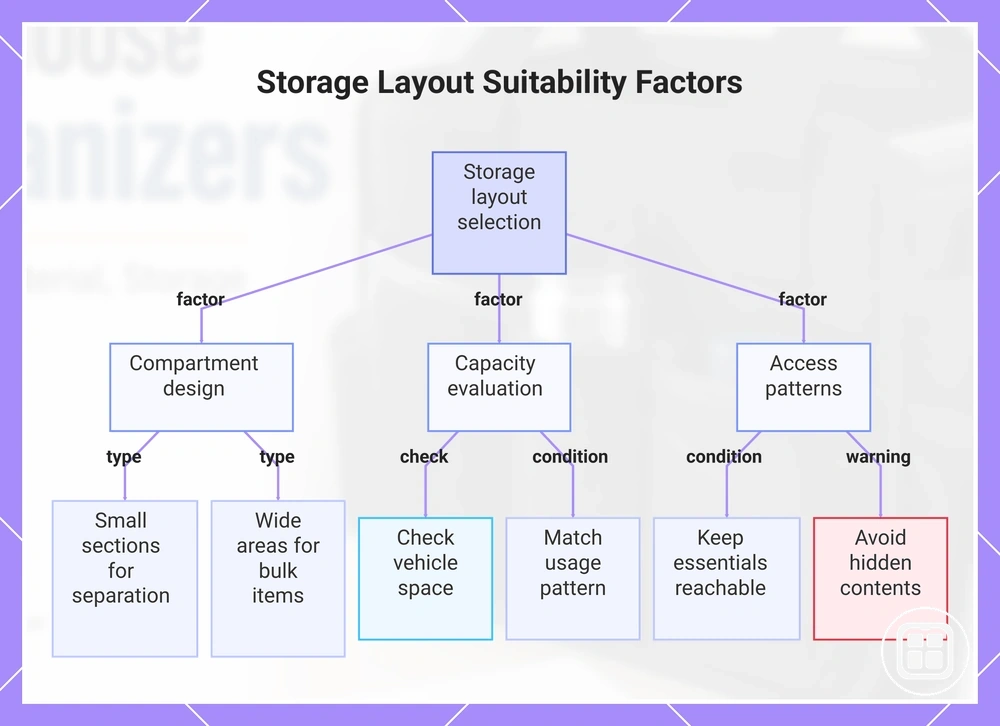
Storage layout is a selection filter because compartments, capacity, and access patterns determine how useful a car organizer is for the items it must hold. A suitable layout depends on whether the organizer needs to separate small items, contain larger loads, or keep frequently used items easy to reach.
Compartment design affects how items are grouped and retrieved. Smaller sections may support separation for daily essentials, while wider open areas may be more useful when stored items are bulky, irregular, or used together.
Capacity should be evaluated against available vehicle space and the way the organizer will be used. For users comparing layout options, Storage layout for selection can help clarify how compartments and capacity influence organizer suitability.
Access patterns matter because storage is less useful when commonly needed items are difficult to reach or hidden behind larger contents. Layout suitability depends on balancing item separation, usable capacity, and convenient access without assuming that one compartment structure suits every vehicle or use case.
This chart shows the three main factors—compartment design, capacity evaluation, and access patterns—that determine how well a car organizer layout fits the user's needs.
Pockets Dividers Mesh Sections and Item Separation
Pockets, dividers, mesh sections, and similar layout features act as item separation tools because they create dedicated storage areas within a car organizer. Their suitability depends on the type of items being stored and the level of separation needed between item groups.
Pockets can help keep smaller items apart from larger contents, while dividers create boundaries that may reduce mixing between different categories of stored items. Separation effectiveness depends on item size, shape, and storage arrangement.
Mesh sections can provide visible storage zones that make items easier to identify while maintaining separation from surrounding contents. Their usefulness may vary according to the characteristics of the stored items and the desired level of containment.
These internal layout features focus on organizing and separating items rather than increasing storage capacity. The most suitable combination depends on whether the priority is visibility, containment, grouping, or keeping different item types in distinct storage areas during normal vehicle use.
Large Capacity Foldable Design and Adjustable Layouts
Large capacity, foldable design, and adjustable layouts involve a tradeoff between storage flexibility and space efficiency because each design attribute changes how much space the organizer uses under different conditions. Suitability depends on storage requirements and available vehicle space rather than a universally preferred option.
Large-capacity organizers may accommodate more items, but they can occupy more space when fully used. Foldable designs can help reduce space usage when storage demand is lower, although available storage volume may also decrease when sections are collapsed.
Adjustable layouts focus on flexibility by allowing storage areas to be reconfigured for different item groups. Their usefulness depends on how often storage needs change and whether fixed organization or adaptable separation is more suitable.
These attributes balance capacity and space efficiency in different ways. The most suitable design depends on whether the priority is greater storage volume, reduced space consumption when not in use, or the ability to adapt storage arrangements to changing conditions.
Material Durability and Cleaning Checks
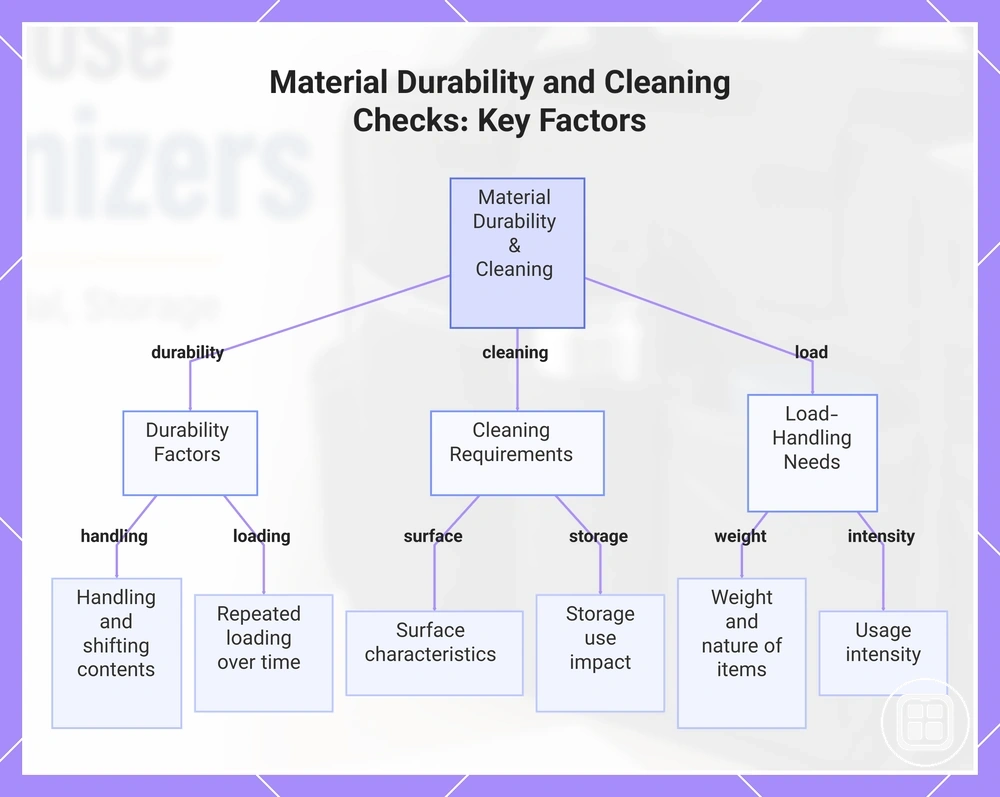
Material quality is a long-term selection filter because it determines how a car organizer may respond to repeated use, cleaning routines, and load conditions over time. Durability and maintenance suitability depend on material characteristics and expected usage intensity rather than material type alone.
Durability evaluation should focus on how the material may handle regular handling, shifting contents, and repeated loading. Material performance can vary according to storage conditions, frequency of use, and the weight or nature of stored items.
Cleaning requirements are also part of material assessment because maintenance effort may differ based on surface characteristics and storage use. For users comparing material-related criteria, Build quality considerations can help clarify how material selection relates to long-term usability.
Material suitability depends on balancing durability, cleaning convenience, and load-handling needs. The most appropriate material characteristics vary according to usage patterns, maintenance preferences, and the demands placed on the organizer during normal use.
This chart shows the main criteria for evaluating material durability, cleaning convenience, and load-handling needs in car organizers.
Fabric Strength Reinforcement Stitching and Load Handling
Fabric strength, reinforcement, and stitching quality affect load handling because structural build characteristics influence how a car organizer responds to stored weight and repeated use. Load-related durability depends on the interaction between fabric construction, reinforced areas, and stitching rather than any single structural attribute.
Reinforcement features can help distribute stress across areas that experience pulling, lifting, or shifting during normal use. Their effectiveness may vary according to load weight, storage patterns, and how force is applied within the organizer.
Stitching quality contributes to structural integrity by connecting panels, compartments, and support sections. Load-handling performance can depend on how frequently the organizer is loaded, unloaded, and subjected to changing weight conditions.
These structural elements relate directly to load-handling risk because wear, deformation, or stress concentration may become more noticeable under heavier or repeated loading conditions. Durability outcomes depend on usage intensity and load characteristics rather than structural features alone.
Water Resistance Leak Control and Easy Clean Surfaces
Water resistance can help limit spill impact on a car organizer, while leak control depends on how effectively liquids are contained within the storage area. Surface protection may reduce moisture absorption and simplify cleanup, but water-resistant surfaces should not be assumed to provide fully leakproof performance.
Easy-clean surfaces focus on cleaning behavior by allowing dirt, moisture, or minor spills to be removed more easily from exposed areas. Cleaning convenience may vary according to surface coatings, finish characteristics, and the type of residue being cleaned.
Leak control depends on construction details such as seams, openings, and compartment boundaries that can influence liquid movement. A surface may resist spills while still allowing liquids to pass through or around structural openings under certain conditions.
The distinction between spill resistance and full sealing is important because surface protection can help reduce spill-related effects without guaranteeing complete liquid containment. Performance depends on surface treatment, construction features, and the conditions under which exposure occurs.
Best Car Organizer Selection by Use Case
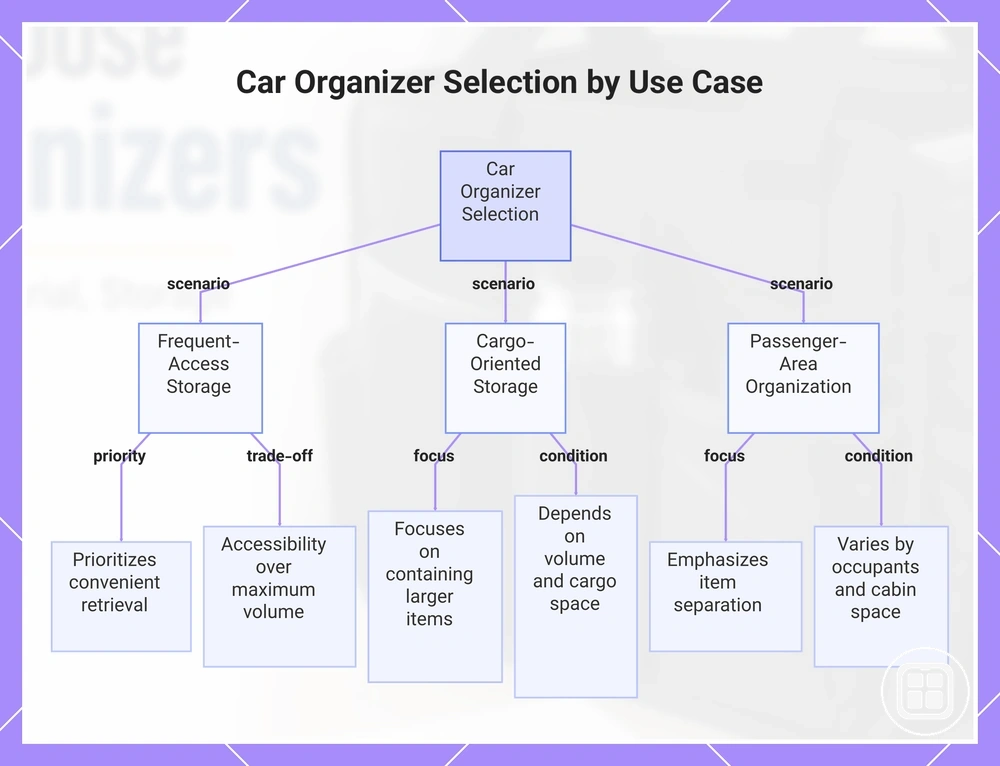
Car organizer selection depends on the intended use case because storage needs determine which organizer characteristics are most suitable. The right choice varies according to stored items, vehicle space, access requirements, and expected load conditions rather than a single organizer design.
For frequent-access storage, organizer selection may prioritize convenient item retrieval and placement within easy reach. Use cases centered on daily essentials often depend more on accessibility than on maximum storage volume.
For cargo-oriented storage, organizer selection may focus on containing larger or grouped items during transport. Suitability depends on storage volume requirements, item movement patterns, and available cargo space within the vehicle.
For passenger-area organization, organizer choice may emphasize item separation and structured storage. Storage needs can vary according to the number of occupants, the types of items carried, and the amount of available cabin space.
For changing storage needs, flexible organizer layouts may be more suitable when item types and load conditions vary over time. Use case requirements ultimately determine organizer choice because storage priorities differ between accessibility, capacity, containment, and organization.
The products below are useful examples for comparing available options. Before buying, check that the compatibility criteria, key features, and product details match your needs.
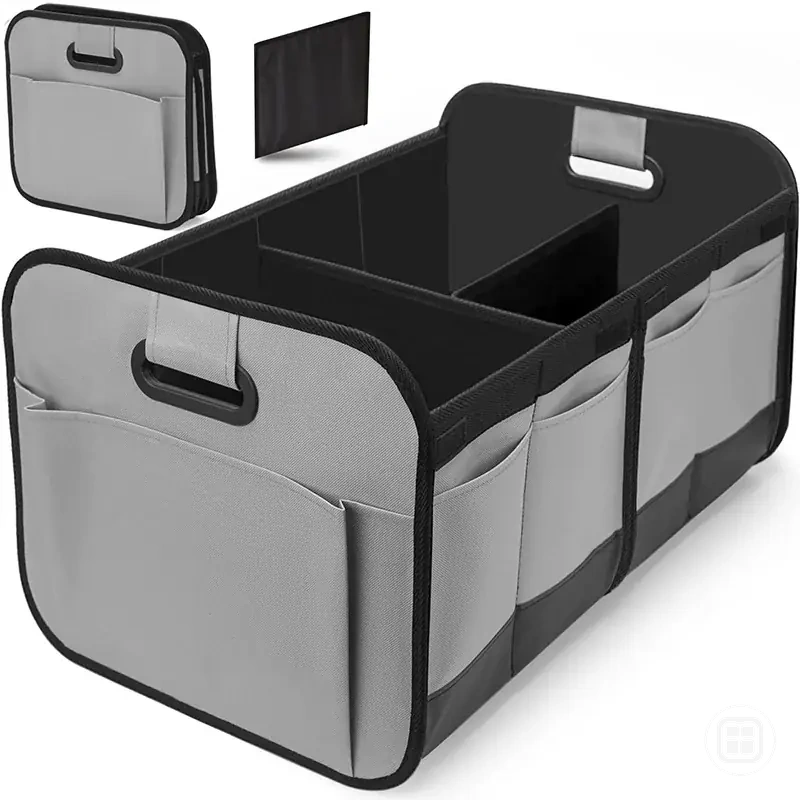
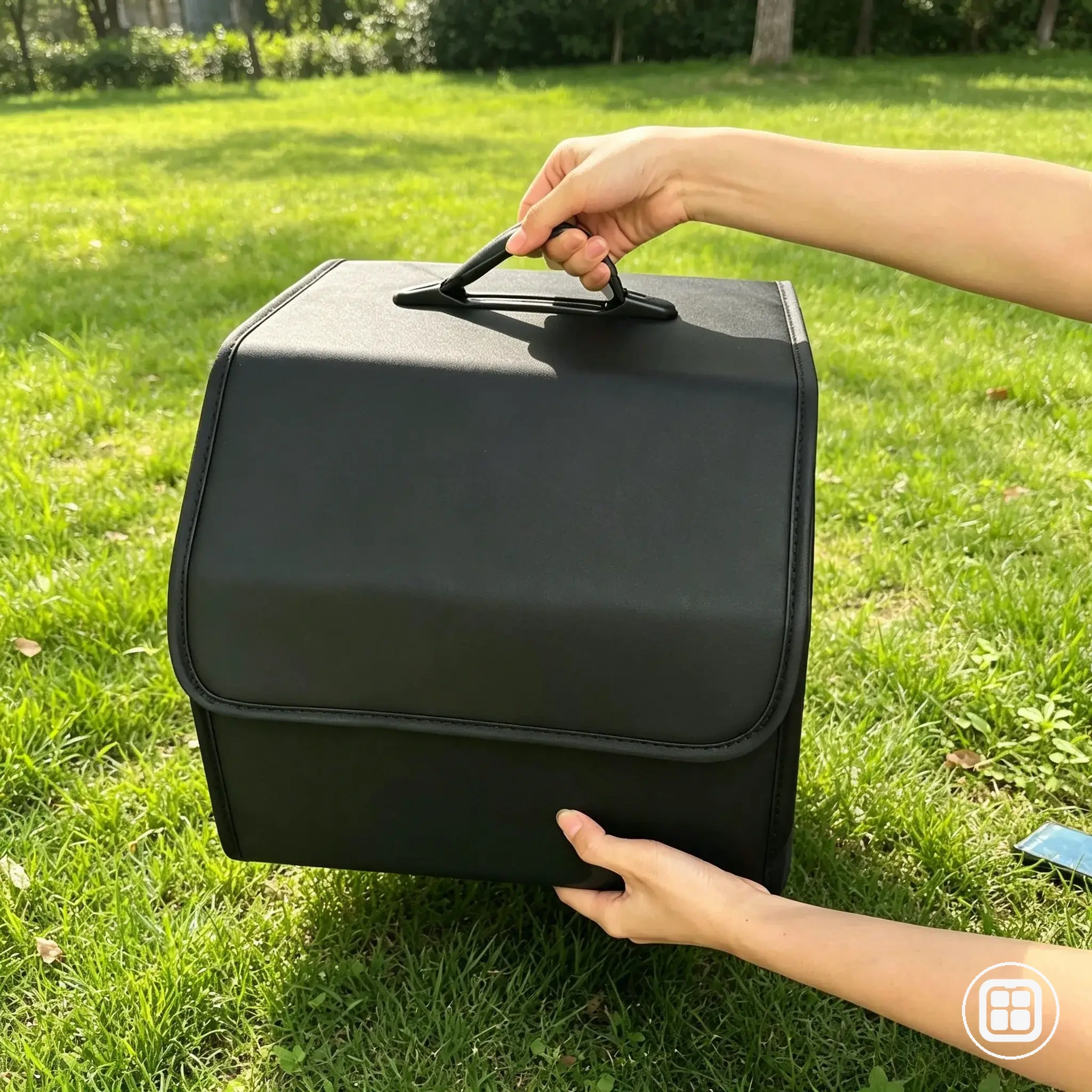
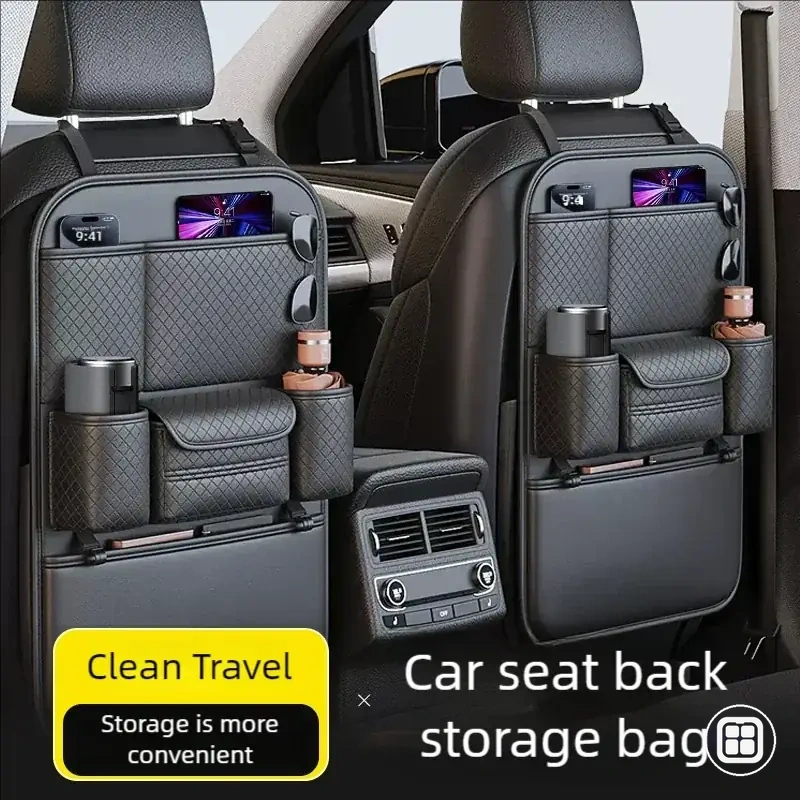
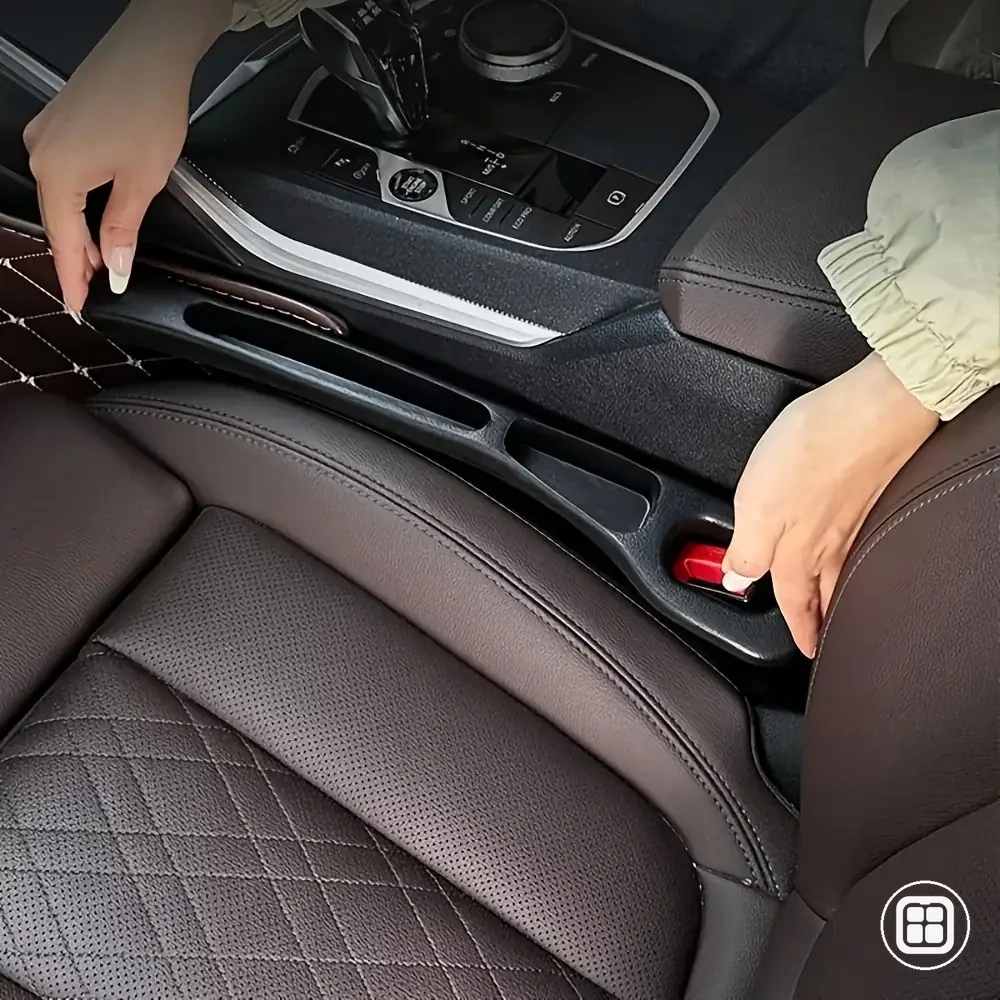
This chart shows the main use cases for car organizer selection and their key priorities.
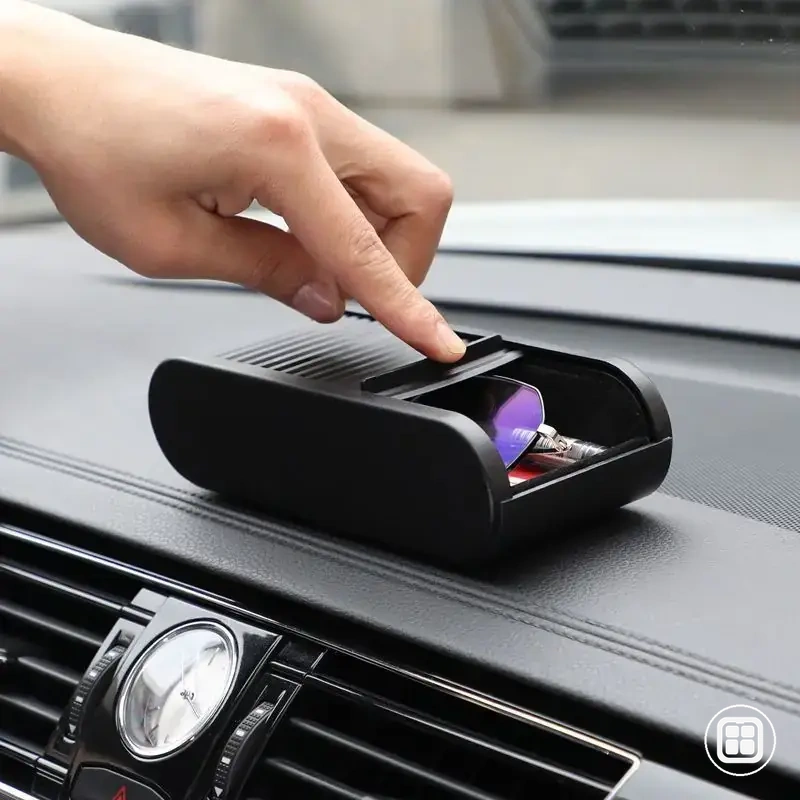
Best Fit for Daily Essentials and Small Cars
Organizer selection for daily essentials and small cars depends on space efficiency because compact use cases prioritize storing necessary items without reducing usable vehicle space. The most suitable choice usually balances storage access with a minimal footprint.
Compact use cases often focus on organizing frequently used items such as personal belongings, travel necessities, or routine vehicle essentials. An organizer that supports quick access can help optimize convenience when storage needs remain limited.
Capacity should remain proportional to actual storage requirements. If organizer size exceeds daily needs, it may occupy valuable space that could otherwise remain available for passengers or additional cargo.
Small-car storage decisions depend on available placement areas, expected item volume, and the need to preserve openness within the cabin or cargo area. Prioritizing compact storage can help maintain organization while supporting efficient use of limited vehicle space.
Best Fit for Trunks SUVs Travel and Family Storage
Organizer selection for trunks, SUVs, travel use, and family storage depends on balancing storage capacity with stability because larger cargo needs often require both sufficient space and controlled item organization. The most suitable choice varies according to load volume, cargo type, and available storage space.
High-capacity storage use cases typically prioritize accommodating larger quantities of items or multiple item categories within a single storage area. Travel equipment, family supplies, and bulk cargo may require more storage volume than compact daily-use situations.
Capacity and stability serve different selection purposes. Greater storage volume may support larger loads, while stability becomes increasingly important when heavier or unevenly distributed items are stored and transported.
Trunk and SUV storage decisions depend on available cargo space, expected load size, and storage conditions. For higher-capacity use cases, organizer selection is often determined by how effectively storage volume and load control align with changing transport needs.
The products below are useful examples for comparing available options. Before buying, check that the compatibility criteria, key features, and product details match your needs.
Value Reviews and Buying Trade Offs
Value depends on how well a car organizer matches intended storage needs, expected durability, and practical usefulness because suitability is determined by use rather than by any single feature. A stronger value outcome usually comes from alignment between organizer characteristics and real-world storage requirements.
Value assessment should focus on whether the organizer supports the intended storage scenario efficiently and consistently. An organizer may provide greater practical value when its capacity, organization features, and usability match actual needs instead of adding features that remain unused.
Reviews can help identify patterns related to satisfaction and limitations, but their usefulness depends on how closely the reviewer’s situation matches the intended use case. Storage expectations, vehicle space, and usage habits can influence how value is perceived.
Buying trade-offs often involve balancing usefulness, expected durability, storage efficiency, and organizational benefits. The most suitable decision depends on individual priorities and expectations rather than assuming that more features or larger capacity automatically result in better value.
Selection Mistakes That Reduce Organizer Usefulness
When a car organizer provides less usefulness than expected, the cause is often a mismatch between storage requirements and the attributes considered during selection. Selection mistakes can reduce practicality when organizer characteristics do not align with the intended storage purpose.
A common selection error is focusing on a single feature while overlooking overall storage needs. An organizer may appear suitable based on one attribute but may offer limited usefulness if its storage arrangement does not support expected usage patterns.
Selection mistakes can also occur when storage expectations are not clearly defined before comparison. Evaluating item types, access requirements, and usage habits can help prevent unsuitable choices. For additional compatibility context, Fit guidance for selection may help reduce the risk of mismatched decisions.
The effect of a selection mistake depends on how much the chosen organizer differs from actual storage needs. Improving selection outcomes usually involves reassessing priorities and choosing attributes that directly support the intended storage scenario rather than emphasizing isolated features.